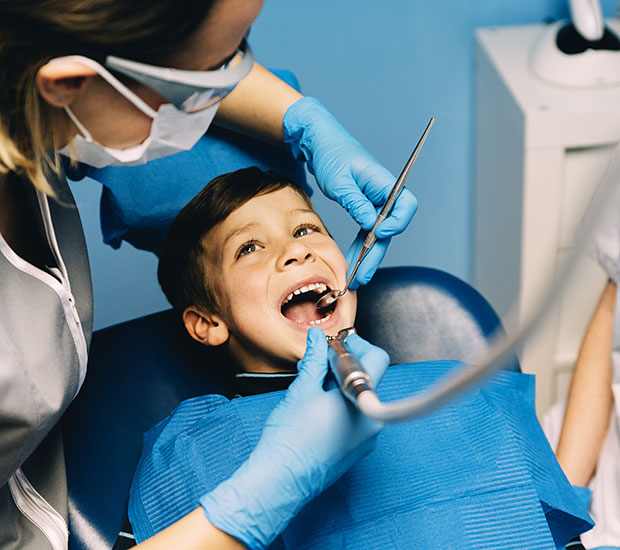
What Is a Pulpotomy West Caldwell, NJ
A pulpotomy is a procedure that removes infected or damaged pulp tissue from the crown of a baby tooth while leaving the roots intact, allowing the tooth to be preserved until it falls out naturally. It is one of the most common restorative procedures in pediatric dentistry and is recommended when decay has reached the pulp but has not yet spread through the roots. According to the NIDCR Children's Oral Health resource, untreated tooth decay in children is among the most common childhood health issues, and early intervention like a pulpotomy protects both the baby tooth and the permanent tooth developing beneath it.
Pulpotomies and pulpectomies are performed in-house at Little Molars Pediatric Dentistry in West Caldwell. Dr. Chirag Patel is a board-certified pediatric dentist who completed his specialty training at St. Joseph's Regional Medical Center in Paterson, NJ, and holds a fellowship in Dental Medicine for the Developmentally Disabled from Stony Brook School of Dental Medicine. He is a member of the American Academy of Pediatric Dentistry (AAPD) and the American Board of Pediatric Dentistry. Learn more about our full range of nerve treatment options for children.
When Is a Pulpotomy Necessary?
A pulpotomy is recommended when decay has penetrated through the enamel and dentin and reached the pulp tissue in the crown of a baby tooth, but has not yet spread through the roots. The pulp contains the tooth's nerves, blood vessels, and connective tissue. When that tissue becomes infected or significantly inflamed, it cannot recover on its own, and the infection can spread to neighboring teeth and the permanent tooth developing beneath the baby tooth if left untreated.
Pulpotomy vs. Pulpectomy
A pulpotomy removes only the infected portion of the pulp in the crown of the tooth, leaving the roots untouched. It is appropriate when the infection is confined to the crown. A pulpectomy, also called a baby root canal, removes all pulp tissue from both the crown and the roots and is necessary when the infection has spread throughout the entire tooth. Both procedures are performed in-house at Little Molars Pediatric Dentistry. The choice between them is determined by digital X-rays and a clinical exam at the time of the appointment.
“A pulpotomy removes only the infected pulp from the crown of the tooth. When infection has spread through the roots, a pulpectomy removes all pulp tissue. Both procedures are performed in-house at Little Molars Pediatric Dentistry.”
What Happens During a Pulpotomy
Before the procedure begins, Dr. Patel takes digital X-rays to assess the extent of the infection and confirm a pulpotomy is the appropriate treatment. At the appointment, a local anesthetic is applied to completely numb the area. For children who are anxious, have special needs, or need additional support to stay calm and still, nitrous oxide sedation is available. Children remain awake during nitrous oxide sedation but feel calm and relaxed.
Once the area is numb, Dr. Patel accesses the tooth, removes the decayed enamel, and enters the pulp chamber. The infected pulp tissue in the crown is removed. The remaining pulp in the roots is assessed, and if healthy, a medicated material is placed in the pulp chamber to support healing. The tooth is then built back up and covered with a stainless steel crown, which protects the tooth and restores its function until it falls out naturally.
“Once numb, Dr. Patel removes the infected pulp from the tooth’s crown, places a medicated material to support healing, and covers the tooth with a stainless steel crown that protects it until it falls out naturally.”
Pulpotomy Aftercare
After a pulpotomy, children can typically return to normal activities the same day. The numbing medication will wear off within a few hours, and parents should avoid offering food or drink while the mouth is still numb to prevent accidental biting of the cheek or lip. Once the numbness has resolved, soft foods and room-temperature liquids are fine to start with. If Dr. Patel prescribes antibiotics, complete the full course.
The area around the treated tooth may be slightly tender for a day or two. An age-appropriate over-the-counter pain reliever can help. Your child should continue brushing and flossing around the treated tooth as normal. Contact our office if you notice increasing pain, visible swelling, or other signs of infection in the days following the procedure.
“After a pulpotomy, children can usually return to normal activities the same day. Complete any prescribed antibiotics, avoid hard foods while the mouth is numb, and contact our office if you notice increasing pain or swelling.”
Questions Answered on This Page
Q. When is a pulpotomy necessary?
Q. What happens during a pulpotomy?
Q. What is the aftercare for a pulpotomy?
People Also Ask
Frequently Asked Questions
Q. What is a pulpotomy?
A. A pulpotomy is a procedure that removes infected or damaged pulp tissue from the crown of a baby tooth while leaving the roots intact. It is recommended when tooth decay has reached the pulp but has not yet spread through the roots. After removing the infected tissue and placing a medicated material, the tooth is covered with a stainless steel crown and can remain in place until it falls out naturally on its own schedule.
Q. What is the difference between a pulpotomy and a pulpectomy?
A. A pulpotomy removes only the infected pulp from the crown of the tooth, leaving the roots untouched. It is appropriate when the infection is confined to the crown. A pulpectomy removes all pulp tissue from both the crown and the roots and is used when the infection has spread through the entire tooth. Both are performed in-house at Little Molars Pediatric Dentistry.
Q. Does a pulpotomy hurt?
A. No. The area is completely numbed with a local anesthetic before the procedure begins, so your child should not feel any pain. Nitrous oxide sedation is also available for children who are anxious or need additional support. After the procedure, any soreness is typically mild and manageable with an age-appropriate over-the-counter pain reliever.
Q. Why does my child need a pulpotomy if the tooth is just a baby tooth?
A. Baby teeth hold space for permanent teeth and guide their eruption into the correct position. Losing a baby tooth too early can cause neighboring teeth to drift and permanently alter the spacing available for the incoming permanent tooth. Preserving the baby tooth with a pulpotomy is the best way to protect your child's developing smile and avoid more complicated orthodontic issues down the road.
Q. What can I expect after my child’s pulpotomy?
A. Children can typically return to normal activities the same day. While the mouth is still numb, avoid offering food or drink to prevent accidental biting. The area may be slightly tender for a day or two. Complete any prescribed antibiotics. Your child should brush and floss normally. Contact our office if you notice increasing pain, swelling, or other signs of infection in the days following the procedure.
Check out what others are saying about our dental services on Yelp: What Is a Pulpotomy in West Caldwell, NJ
Quality Pediatric Dental Services Can Transform Smiles
By visiting us as soon as possible, our team can help get your child the professional treatment they need.
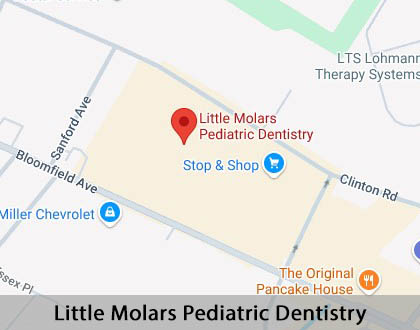

Scan here to view this page, What Is a Pulpotomy, on mobile

Definition of Pediatric Dental Terminology
Call Us Today
If your child needs a pulpotomy, don't panic. While this procedure might sound alarming at first, it is a simple process. Pulpotomies get rid of the infection and remove stubborn decay. They preserve the tooth and prevent dental problems down the road. Modern dental techniques can make this procedure virtually pain-free. A dentist usually completes it in a single office visit.
If your child needs a pulpotomy, let Little Molars Pediatric Dentistry in West Caldwell help. Call us at 862-505-2260 to schedule a consultation.
Helpful Related Links
- American Dental Association (ADA). Glossary of Dental Terms. 2024
About our business, license, and website security
- Little Molars Pediatric Dentistry was established in 2023.
- We accept the following payment methods: Cash, Discover, MasterCard, and Visa
- We serve patients from the following counties: Essex County
- We serve patients from the following cities: West Caldwell, Caldwell, North Caldwell, Fairfield, East Hanover, Montville, Verona, and Montclaire
- Norton Safe Web. View Details
- Trend Micro Site Safety Center. View Details

Scan here to open directions to Little Molars Pediatric Dentistry on mobile
Back to top of What Is a Pulpotomy
Related Posts

What Is Painless Dentistry And When Is It Necessary?
Painless dentistry focuses on providing dental care with minimal or no discomfort so patients can maintain their oral health without fear or anxiety. This innovative approach has transformed modern dental care, making it more accessible and appealing for patients who may otherwise avoid necessary treatments. By incorporating advanced techniques and technology, painless dentistry helps eliminate…
A Dentist For Kids Specializes In Children's Oral Health
When parents talk about wanting a dentist who is "good with kids," they usually mean someone patient and friendly. When a parent of a child with autism, Down syndrome, cerebral palsy, or another condition that makes dental visits genuinely difficult says the same thing, they mean something far more specific. They mean a provider whose…

Common Kids Dental Emergency Visits
A pediatric dental emergency often triggers panic in the children themselves and some parents. Keeping your peace of mind is important during this crisis. Comforting the child is a priority and can make the trip to the pediatric dentist easier. Here are the details if you want to know more about the common kids' dental…
Explore additional topics covered on our website:
Call Us Today

Scan here to call Little Molars Pediatric Dentistry on mobile