A Dentist for Kids Specializes in Children’s Oral Health
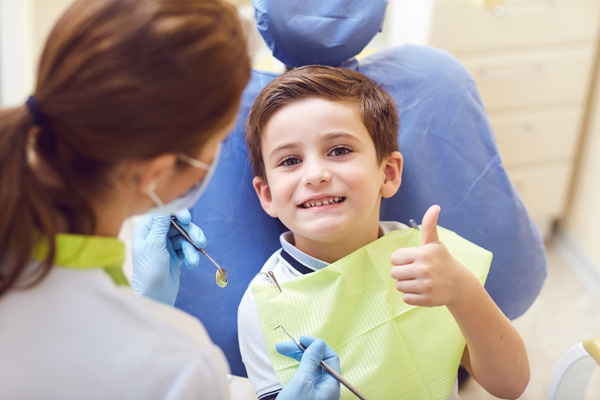
When parents talk about wanting a dentist who is "good with kids," they usually mean someone patient and friendly. When a parent of a child with autism, Down syndrome, cerebral palsy, or another condition that makes dental visits genuinely difficult says the same thing, they mean something far more specific. They mean a provider whose training goes beyond reassurance and actually covers the clinical, behavioral, and sensory dimensions of care for patients with special needs. Not every pediatric dentist offers that, and understanding the difference matters.
What Pediatric Dentistry Training Actually Covers
A pediatric dentist is not simply a dentist who works on smaller teeth. After completing four years of dental school, pediatric dentists undergo two additional years of residency training focused entirely on children’s dental development, behavior guidance, anxiety management, and care for patients with special health care needs. This training includes techniques for managing dental anxiety in children who cannot self-regulate, adapted communication approaches for non-verbal or minimally verbal patients, and clinical protocols for conditions that affect oral health in specific ways, such as the periodontal risks associated with Down syndrome or the positioning challenges that come with cerebral palsy.
The American Academy of Pediatric Dentistry considers special needs dentistry a core competency for pediatric dental training, not an optional add-on. That means any board-certified pediatric dentist has a clinical foundation that general dentists do not receive.
Where Pediatric Training Ends and Fellowship Training Begins
Even within pediatric dentistry, there is a meaningful difference between the standard training and fellowship-level preparation in special needs care. Dr. Chirag Patel at Little Molars Pediatric Dentistry in West Caldwell holds a fellowship in Dental Medicine for the Developmentally Disabled from Stony Brook School of Dental Medicine. This is a post-doctoral credential built specifically around dental care for individuals with intellectual and developmental disabilities across the full lifespan, not just childhood.
That last point matters more than it might seem. Most children with special needs who receive regular dental care in pediatric settings eventually lose access to that care when they turn 18 and age out of the practice. For adults with I/DD, finding a dentist who can genuinely accommodate them is significantly harder. Research published in the National Library of Medicine in 2024 identifies dental care as one of the top unmet health needs for adults with intellectual and developmental disabilities, and notes that this population faces persistent barriers to finding providers equipped to serve them. Dr. Patel’s fellowship training was designed to address exactly that gap, which is why the practice sees both children and adults with special needs at its West Caldwell location.
What Happens Differently at a Special Needs Dental Visit
The practical differences between a special needs dental visit at a prepared practice and a standard appointment are significant. At Little Molars Pediatric Dentistry, new patients with special needs are offered a familiarization visit before any clinical work begins. The patient comes in, meets the team, gets comfortable in the chair, and leaves. No instruments, no clinical procedures. This step alone materially changes how the first clinical appointment goes.
During treatment, the approach varies based on the patient’s specific profile. For a child with autism who has strong sensory sensitivities, Dr. Patel adjusts lighting, minimizes unexpected sounds, uses tell-show-do techniques, and moves at a pace that allows the patient to process each step before the next one begins. For a patient with Down syndrome, treatment planning accounts for the condition’s specific oral health risks, including higher susceptibility to periodontal disease and the possibility of delayed eruption patterns. For a patient with cerebral palsy who has difficulty with positioning or involuntary movements, the clinical approach is adapted accordingly.
Sedation is available when it is needed. Nitrous oxide works well for many patients with special needs who experience mild to moderate anxiety and can breathe comfortably through their nose. For patients who need a deeper level of support, an anesthesiologist comes directly to the West Caldwell office, allowing Dr. Patel to complete all necessary treatment in a single visit without requiring a hospital or surgical center setting.
Why Consistent Care Matters More for Special Needs Patients
Patients with intellectual and developmental disabilities are at statistically higher risk for untreated cavities and periodontal disease than the general population. The reasons are multiple: some medications reduce saliva flow and increase cavity risk, some conditions affect the motor skills needed for at-home oral hygiene, and behavioral challenges can make toothbrushing difficult for caregivers to maintain consistently. Regular professional care catches what home routines miss and prevents the kind of dental pain that, for a non-verbal or minimally verbal patient, may express itself as behavioral changes rather than a complaint about a toothache.
This is why establishing a consistent dental home matters so much for this population, and why the provider relationship needs to be durable enough to last through childhood and into adulthood. A patient who sees the same provider and the same team at every appointment, who has been given time to get comfortable in the environment, and whose specific sensitivities are understood and accommodated, is a patient who can receive routine preventative care reliably. That foundation prevents the much more complex and distressing interventions that become necessary when care is interrupted for years.
For Montclair and Essex County Families
Little Molars Pediatric Dentistry serves children and adults with special needs from West Caldwell, Montclair, Essex Fells, Cedar Grove, and the surrounding communities of Essex County. For Montclair families specifically, the West Caldwell practice is a short drive away and offers a level of clinical preparation for special needs patients that is not widely available at general practices in the immediate area. Families and caregivers can read more about Dr. Patel’s credentials and approach on the practice’s Special Needs Dentist for Kids and Adults page, or for Montclair-specific information, visit the Special Needs Dentistry near Montclair page.
If you are a parent, caregiver, or group home provider looking for dental care for a patient with special needs, contact Little Molars Pediatric Dentistry today. We welcome calls before a first appointment is scheduled and are glad to talk through your patient’s history to help determine what to expect from a first visit.
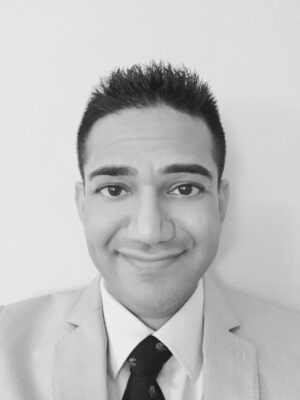
Dr. Chirag Patel is a board-certified pediatric dentist dedicated to helping infants, children, and teens develop healthy smiles through compassionate, evidence-based care. After earning his Doctor of Dental Medicine degree, he completed advanced training in general dentistry, dental care for patients with developmental disabilities, and pediatric dentistry. Dr. Patel reviews clinical content to ensure it reflects current pediatric dental standards, evidence-based practices, and clear, family-friendly guidance that helps parents make informed decisions about their child's oral health.