
Signs Your Child Has a Cavity West Caldwell, NJ
Tooth decay is the most common chronic disease affecting children in the United States. According to the CDC's Cavity Facts page, half of all children aged 6 to 9 have already experienced cavities in their baby or permanent teeth. What makes this especially challenging for parents is that early cavities are almost always silent. By the time a child complains about a tooth, the decay has often been progressing unnoticed for months. Knowing what to look and listen for is one of the most practical things a parent can do to catch a problem before it becomes a larger one.
At Little Molars Pediatric Dentistry in West Caldwell, we help families recognize the signs of decay early, when treatment is straightforward and minimally invasive. Dr. Chirag Patel is a board-certified pediatric dentist who completed his specialty training at St. Joseph's Regional Medical Center in Paterson, NJ, and holds a fellowship in Dental Medicine for the Developmentally Disabled from Stony Brook School of Dental Medicine. He is a member of the American Academy of Pediatric Dentistry (AAPD) and the American Board of Pediatric Dentistry. Our full range of pediatric dental services is built around finding problems early and giving families a clear path forward.
Common Signs Your Child May Have a Cavity
Children are not always able to communicate dental discomfort clearly, and younger children may not notice mild sensitivity at all. These are the signs worth watching for, even when your child says nothing is wrong.
Tooth Sensitivity to Temperature or Sweetness
If your child flinches when eating something cold, hot, or sweet, or starts avoiding foods they used to enjoy, sensitivity is often an early signal that enamel has been compromised. When decay reaches the dentin layer beneath the enamel, temperature and sugar can directly affect the nerve, producing a sharp or lingering reaction.
Pain While Chewing
Hesitation when chewing, favoring one side of the mouth, or refusing certain textures can indicate that a cavity has progressed far enough to affect the tooth's structure. Children often adapt around dental pain without telling their parents, so changes in eating habits are worth noting.
Visible Spots or Discoloration
White or chalky spots on the tooth surface are frequently the earliest visible sign of enamel breakdown. As decay progresses, those spots darken to brown or black. Visible pits or holes on the chewing surface of a molar are signs of more advanced decay. These changes can appear anywhere on a tooth, including between teeth where they are easy to miss at home.
Persistent Toothache or Spontaneous Pain
A child who complains of an ache that does not go away, pain that wakes them at night, or sudden sharp pain without an obvious cause may have decay that has reached the deeper layers of the tooth. This warrants prompt evaluation. If your child is in acute pain, our emergency pediatric dental care team can see them quickly.
Bad Breath That Does Not Resolve
Persistent bad breath that does not improve with regular brushing can sometimes be linked to bacteria accumulating inside a decayed tooth. While bad breath has many causes, recurring or unexplained halitosis in a child is worth mentioning at their next dental visit.
“By the time a child is complaining about a tooth, the decay has often been progressing unnoticed for months.”
Why Cavities in Children Often Go Undetected
Early decay is almost always painless. The outer enamel of a tooth can be significantly damaged before any sensation reaches the nerve beneath it. This is especially true in young children, who lack both the vocabulary to describe dental discomfort and the awareness to connect vague sensitivity with a specific tooth.
Why Baby Teeth Are Higher Risk
Baby teeth have thinner enamel than permanent teeth, which means decay spreads more quickly once it starts. An untreated cavity in a primary tooth can reach the nerve faster, spread to neighboring teeth, and affect the developing permanent tooth directly beneath it. The idea that baby teeth can be ignored because they will eventually fall out is one of the most common misconceptions we address with families. Our preventative care approach is specifically designed to catch decay in primary teeth before it progresses to a more involved stage.
Between-Teeth Cavities
Interproximal cavities form between teeth in the contact areas a toothbrush cannot reach. They are among the most common type in children and among the hardest to detect without X-rays, because they develop invisibly until decay is significant. This is why digital radiography is a standard part of every checkup — it allows Dr. Patel to identify these hidden cavities long before they cause pain.
What the Dentist Looks For
During a routine checkup, Dr. Patel examines every surface of each tooth, checks for soft spots and early discoloration, and reviews X-rays for any sign of decay forming between or beneath the surfaces. Most cavities in children are found this way — not because the child complained, but because a scheduled visit caught what no one could see at home.
“Baby teeth have thinner enamel than permanent teeth, which means decay spreads more quickly once it starts.”
What Happens After a Cavity Is Found
If Dr. Patel identifies a cavity during your child's visit, the next step depends entirely on how far the decay has progressed. A small cavity caught early is usually a quick, straightforward appointment. Larger or deeper decay may require more involved care, but Dr. Patel reviews every option with parents before anything is scheduled, and our entire team is trained to keep children calm and comfortable throughout the process.
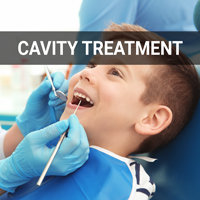
The full range of treatment available at Little Molars Pediatric Dentistry — including composite fillings, pulp therapy, dental crowns, and sedation support for anxious children — is covered in detail on our cavity treatment page. What matters most right now is not waiting. Cavities grow larger over time, and the earlier we see your child, the simpler the solution is likely to be.
“The earlier we see your child, the simpler the solution is likely to be.”
Check out what others are saying about our dental services on Yelp: Signs Your Child Has a Cavity in West Caldwell, NJ
Reducing Your Child's Cavity Risk Between Visits
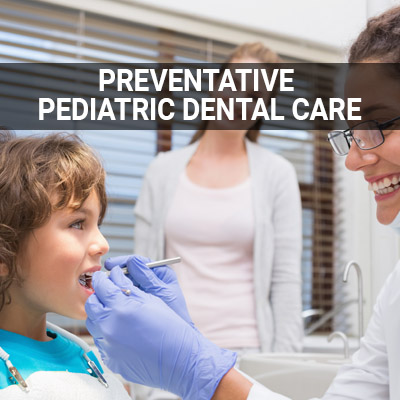
The most reliable way to prevent cavities is to combine consistent home habits with professional preventative care at every checkup. Dr. Patel provides personalized guidance at each visit, tailoring advice to your child's age, current cavity risk, and home routine.
Two in-office treatments deserve particular mention. Fluoride varnish is applied to the teeth during a routine visit and strengthens enamel against the acids that cause decay. Dental sealants coat the deep grooves of back molars, where decay most commonly starts and where a toothbrush is least effective. Together, these two treatments significantly reduce cavity risk between appointments. At home, limiting sugary drinks and sticky snacks, brushing twice daily with fluoride toothpaste, and flossing once teeth are touching are the habits that make the biggest cumulative difference. Scheduling checkups every six months ensures that any decay which does develop is caught at the earliest and most manageable stage.
Ready to give your child a happy, healthy smile?
Our gentle team makes every visit fun and stress-free. Book a visit today — or just give us a ring, we'd love to chat.
“Scheduling checkups every six months ensures any decay is caught at the earliest and most manageable stage.”
Questions Answered on This Page
Q. What are the common signs my child has a cavity?
Q. Why do cavities in children often go undetected?
Q. What happens after a cavity is found?
Q. How can I reduce my child's cavity risk between visits?
People Also Ask
Q. What are the cavity treatment options for children?
Frequently Asked Questions
Q. What are the most common signs that my child has a cavity?
A. The most common signs include tooth sensitivity to sweet, cold, or hot foods, pain while chewing, visible white spots or dark discoloration on the tooth surface, persistent bad breath that does not improve with brushing, and complaints of a toothache. In early stages, many cavities produce no symptoms at all, which is why regular dental checkups are essential for catching them before they cause pain.
Q. Can baby teeth get cavities?
A. Yes. Baby teeth have thinner enamel than permanent teeth, which makes them more susceptible to decay. Cavities in primary teeth can spread quickly to neighboring teeth and affect the developing permanent teeth beneath them. Treating decay in baby teeth promptly is important for your child's long-term oral health and jaw development.
Q. My child says their tooth hurts but I cannot see anything wrong. Could it still be a cavity?
A. Yes. Cavities often begin between teeth or beneath the enamel surface where they are not visible to the naked eye. Digital X-rays allow Dr. Patel to identify decay that cannot be seen during a visual exam. If your child is complaining of tooth pain, it is always worth scheduling a checkup.
Q. What should I do if I think my child has a cavity?
A. Schedule an appointment as soon as possible. Cavities do not resolve on their own and grow larger over time. The earlier decay is caught, the simpler and less invasive the treatment. Our team at Little Molars Pediatric Dentistry in West Caldwell can evaluate your child and recommend the right next step.
Q. How can I help prevent cavities at home?
A. Brush your child's teeth twice daily with fluoride toothpaste, floss once daily once teeth are touching, limit sugary drinks and sticky snacks, and schedule dental checkups every six months. At routine visits, Dr. Patel can apply fluoride varnish and dental sealants to give your child additional protection between appointments.
Q. Is pain while chewing always a sign of a cavity?
A. Pain while chewing can indicate a cavity, but it can also point to a cracked tooth, an erupting permanent tooth, or gum sensitivity. The only way to know for certain is a dental evaluation. Dr. Patel will examine the tooth and take X-rays if needed to identify the cause and recommend the appropriate care.
Quality Pediatric Dental Services Can Transform Smiles
By visiting us as soon as possible, our team can help get your child the professional treatment they need.

Scan here to view this page, Signs Your Child Has a Cavity, on mobile

Signs Your Child Has a Cavity at Little Molars Pediatric Dentistry
Catching a cavity early changes everything about how it gets treated. Little Molars Pediatric Dentistry serves families throughout West Caldwell, Montclair, Essex Fells, Cedar Grove, and the surrounding communities of Essex County. Dr. Patel's board certification, fellowship training, and faculty role at Zufall Health Center in West Orange mean every patient benefits from a depth of clinical preparation that goes well beyond a general dental practice. Learn more about our team on our about page.
If you think your child may have a cavity, do not wait. Contact our office today to schedule an evaluation at our West Caldwell practice. The sooner we look, the simpler the solution is likely to be.
Helpful Related Links
- Centers for Disease Control and Prevention (CDC). Cavity Facts. 2024
About our business, license, and website security
- Little Molars Pediatric Dentistry was established in 2023.
- We accept the following payment methods: Cash, Discover, MasterCard, and Visa
- We serve patients from the following counties: Essex County
- We serve patients from the following cities: West Caldwell, Caldwell, North Caldwell, Fairfield, East Hanover, Montville, Verona, and Montclaire

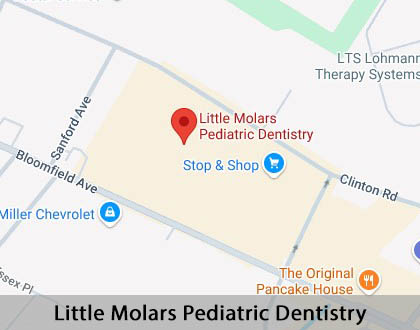
Scan here to open directions to Little Molars Pediatric Dentistry on mobile
Related Posts

Does My Child Really Need Dental Sealants?
If your child’s dentist has recommended dental sealants, you might wonder whether this preventive treatment is truly necessary or just an optional extra. Many parents feel uncertain about the benefits of sealants, especially when their child seems to have healthy teeth with no visible problems. Some worry about the cost, safety concerns they’ve heard about,…

What Should Essex County Parents Know About Fluoride In Local Drinking Water?
You've probably heard debates about fluoride at school drop-off or seen conflicting information online, leaving you wondering what's actually best for your child's teeth. Here's the straightforward answer: Essex County's drinking water contains fluoride at levels scientifically proven to prevent tooth decay in children. Understanding how the fluoride water system works can help you feel…

What Are The Signs My Baby Is Teething?
Your baby has been fussier than usual, drooling through their bibs, and gnawing on anything within reach. If this sounds familiar, teething is likely underway. It is one of the earliest developmental milestones parents face, and it can feel overwhelming when you are not sure what is normal and what is cause for concern. Fortunately,…
Explore additional topics covered on our website:
Call Us Today

Scan here to call Little Molars Pediatric Dentistry on mobile