Space Maintainers for Kids West Caldwell, NJ
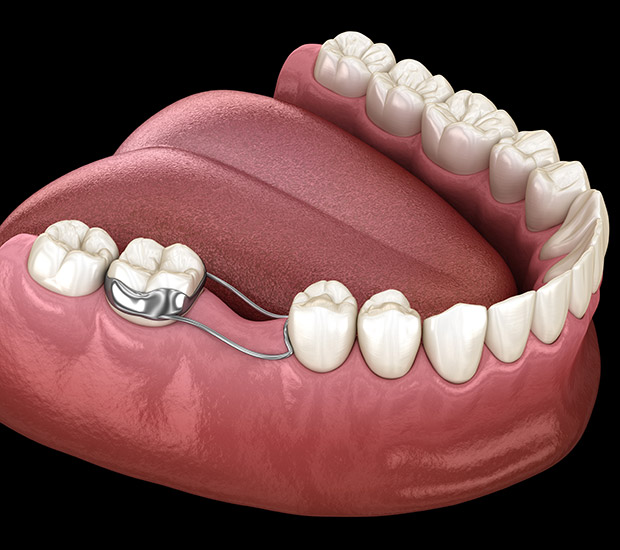
When a child loses a baby tooth too soon, it can seem like a minor issue. In reality, what happens in that small gap over the following months can set the course for years of orthodontic problems. Without the baby tooth holding its position, neighboring teeth begin to drift into the empty space, often crowding or blocking the permanent tooth that needs to grow in. Research published in the National Library of Medicine confirms that premature loss of primary teeth can cause significant space loss, crowding, and potential impaction or displacement of permanent teeth, often leading to complex and prolonged orthodontic intervention down the road.
At Little Molars Pediatric Dentistry in West Caldwell, we provide space maintainers as part of our commitment to protecting your child's long-term oral development. Dr. Chirag Patel is a board-certified pediatric dentist with specialty training at St. Joseph's Regional Medical Center in Paterson, NJ, and a fellowship in Dental Medicine for the Developmentally Disabled from Stony Brook School of Dental Medicine. He is a member of the American Academy of Pediatric Dentistry (AAPD) and the American Board of Pediatric Dentistry. Our full range of pediatric dental services is designed to support healthy development at every stage of your child's growth.
When Space Maintainers Are Needed
Baby teeth do far more than fill a child's smile. They hold space in the jaw for the permanent teeth developing beneath them, support proper speech development, and help children chew effectively. When a baby tooth is lost too early due to decay, injury, or extraction, that space can close faster than most parents expect.
Not every early tooth loss requires a space maintainer. The decision depends on which tooth was lost, how early it came out, and how close the permanent tooth is to erupting. Dr. Patel evaluates each child individually and recommends a space maintainer only when it is clinically appropriate. Early intervention with a space maintainer is one of the most cost-effective steps a family can take to reduce the likelihood of extensive orthodontic treatment later. Our preventative care approach is built around catching and addressing these developmental concerns before they become complicated.
Signs a Space Maintainer May Be Needed
Dr. Patel may recommend a space maintainer if your child has lost a back tooth prematurely, if neighboring teeth are already beginning to shift, if the permanent tooth is not expected to erupt for a significant period of time, or if X-rays show a risk of crowding or impaction. A thorough evaluation including digital radiography gives us the information we need to make the right recommendation for your child.
“Early intervention with a space maintainer is one of the most cost-effective steps a family can take to reduce the need for orthodontic treatment later.”
Types of Space Maintainers
Space maintainers come in both fixed and removable designs, and the right choice for your child depends on their specific situation. Dr. Patel will review X-rays and impressions with you to determine which type best fits your child's needs.
Fixed Space Maintainers
Fixed space maintainers are cemented to adjacent teeth and are not removed by the child. Unilateral fixed appliances address a gap on one side of the mouth, using a metal band and loop that extends into the empty space to preserve it. Bilateral fixed appliances are used when teeth have been lost on both sides of the mouth. These may bridge across the roof of the mouth or fit against the back of the teeth, and they tend to be a less visible option.
Removable Space Maintainers
Removable space maintainers look and function similarly to retainers, often including an artificial tooth to fill the visible gap. They are typically used when more than one tooth is missing or for aesthetic reasons, such as when front teeth are involved. Children remove this appliance to eat, drink, and brush their teeth. While removable appliances offer convenience, they require consistent compliance to be effective. Dr. Patel will discuss whether your child is a good candidate based on their age and habits.
“The right type of space maintainer depends on which tooth was lost, how many teeth are involved, and what your child's development looks like on X-ray.”
Choosing the Right Appliance for Your Child
Selecting the appropriate space maintainer begins with a thorough evaluation. Dr. Patel takes measurements, reviews X-rays, and may take impressions of your child's mouth before making a recommendation. During this conversation, we discuss the pros and cons of each option with you and your child so you can make an informed decision together.
Fixed appliances eliminate the compliance challenge, but they do come with some dietary restrictions. Children with permanent space maintainers should avoid sticky candies, chewing gum, and hard foods that could damage or dislodge the device. Daily cleaning around the appliance is also essential to prevent plaque buildup and gum inflammation. Removable appliances offer more flexibility but require the child to wear them consistently and handle them responsibly. Our team helps every family understand exactly what their child's appliance requires so the results are as effective as possible.
“Our team walks every family through what their child's appliance requires so the results are as effective as possible.”
Check out what others are saying about our dental services on Yelp: Space Maintainers in West Caldwell, NJ
Caring for a Space Maintainer and What to Watch For
Space maintainers are safe and well-tolerated by most children, but good oral hygiene becomes even more important once a device is in place. The appliance can trap extra food particles and bacteria near the gum line, increasing the risk of decay or gum inflammation if brushing and flossing are neglected. Children should brush twice daily, floss carefully around the device, and attend all scheduled follow-up appointments so Dr. Patel can confirm the appliance is in good position and the underlying tooth development is progressing as expected.
Children with certain sensory sensitivities, swallowing concerns, or breathing issues may not be the best candidates for space maintainers, and we take those factors into account during the evaluation. Parents should also encourage their child not to push or tug on the appliance, as this can cause it to loosen or break. Our tooth extraction and follow-up care guidance is designed to make the transition to a space maintainer as smooth as possible.
Ready to give your child a happy, healthy smile?
Our gentle team makes every visit fun and stress-free. Book a visit today — or just give us a ring, we'd love to chat.
“Good oral hygiene becomes even more important once a space maintainer is in place.”
Questions Answered on This Page
Q. When are space maintainers needed?
Q. What types of space maintainers are available?
Q. How does my child's dentist choose the right appliance?
Q. How do we care for a space maintainer?
People Also Ask
Q. When should parents take their child to the dentist?
Q. What are the signs my child has a cavity?
Q. What tools does a pediatric dentist use to make a diagnosis?
What to Expect After Getting a Space Maintainer
Most children adjust to their space maintainer within a few days. The device should not interfere with speaking, eating, or normal activity, though some mild awareness is normal at first. At Little Molars Pediatric Dentistry, we schedule follow-up visits to monitor the appliance and track how your child's teeth are developing. These visits are an important part of making sure the space maintainer is doing its job and that no adjustments are needed.
Once the permanent tooth begins to erupt into the maintained space, Dr. Patel will remove the fixed appliance or instruct you to have your child stop wearing the removable version. At this point, the hard work is done and your child's smile is on the right track. If your child also needs care for related concerns, our baby root canal and cavity treatment services ensure we can manage the full picture of their oral health in one place.
“Once the permanent tooth begins to erupt, we remove the appliance and your child's smile is on the right track.”
Frequently Asked Questions
Q. What is a space maintainer?
A. A space maintainer is a small orthodontic device that holds the gap open after a baby tooth is lost too early. It prevents the surrounding teeth from drifting into the empty space, ensuring the permanent tooth has enough room to erupt correctly.
Q. Does my child need a space maintainer?
A. Not every child who loses a baby tooth early needs a space maintainer. The need depends on which tooth was lost, how early it was lost, and how close the permanent tooth is to erupting. Dr. Patel evaluates each child individually and recommends a space maintainer only when it is clinically necessary.
Q. What types of space maintainers are available?
A. Space maintainers are available in fixed and removable versions. Fixed types include unilateral appliances (for one side) and bilateral appliances (for both sides), which are cemented to adjacent teeth. Removable space maintainers look similar to retainers and include an artificial tooth to fill the visible gap.
Q. How are space maintainers inserted?
A. The process begins with impressions or measurements of your child's mouth. For fixed space maintainers, the device is cemented to one or more adjacent teeth. For removable appliances, your child receives a custom-fitted device they can take out for eating and cleaning.
Q. What kind of at-home care is needed with a space maintainer?
A. Children with space maintainers should brush and floss diligently, avoid sticky or hard foods that can dislodge or damage the device, and attend regular dental checkups. Parents should also remind children not to play with or push on the appliance, as this can cause it to break or shift.
Q. When will the space maintainer be removed?
A. A fixed space maintainer is removed once the permanent tooth begins to erupt into the space. For removable appliances, the child simply stops wearing it at that point. Dr. Patel monitors your child's progress at each visit and will let you know when the device is no longer needed.
Quality Pediatric Dental Services Can Transform Smiles
By visiting us as soon as possible, our team can help get your child the professional treatment they need.

Scan here to view this page, Space Maintainers, on mobile
Space Maintainers for Kids at Little Molars Pediatric Dentistry
When a baby tooth is lost before its time, acting quickly can make a meaningful difference in your child's long-term oral health. Little Molars Pediatric Dentistry provides space maintainers and comprehensive developmental care for children throughout West Caldwell, Montclair, Essex Fells, Cedar Grove, and the surrounding communities of Essex County. Dr. Patel's board certification, fellowship training, and faculty role at Zufall Health Center in West Orange reflect the depth of preparation he brings to every patient, including those with complex developmental or medical needs. Learn more about our approach on our about page.
Ready to protect your child's smile? Contact our office today to schedule an evaluation at our West Caldwell practice.
Helpful Related Links
- National Library of Medicine. Effectiveness of Space Maintainers in Pediatric Patients: A Systematic Review and Meta-Analysis. 2025
About our business, license, and website security
- Little Molars Pediatric Dentistry was established in 2023.
- We accept the following payment methods: Cash, Discover, MasterCard, and Visa
- We serve patients from the following counties: Essex County
- We serve patients from the following cities: West Caldwell, Caldwell, North Caldwell, Fairfield, East Hanover, Montville, Verona, and Montclaire

Scan here to open directions to Little Molars Pediatric Dentistry on mobile
Back to top of Space Maintainers
Related Posts
Ask A Pediatric Dentist: What Are Space Maintainers?
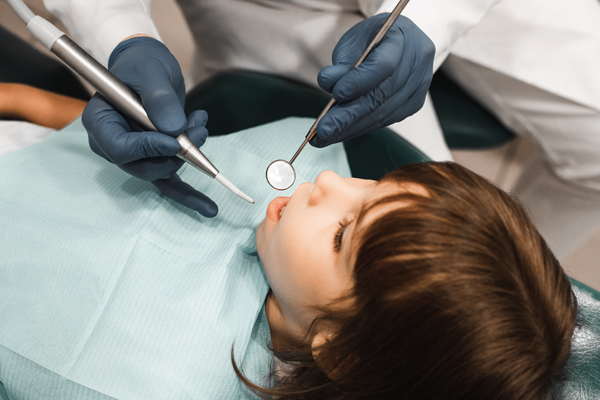
Space maintainers are oral appliances primarily used on children to hold the space of baby teeth that fall out prematurely. There are a number of things that can lead to a child’s tooth falling out prematurely, like genetics, trauma, or tooth decay.Losing a baby tooth prematurely can have serious consequences. Milk teeth serve an important…
Three Things To Know About Space Maintainers
Space maintainers are great resources that are used in dentistry and orthodontics. They are small, metal dental pieces that are placed where a tooth once was, whether it be an adult or baby tooth. Keep reading to find out more about space maintainers.Outlined below are a few things to know about space maintainers, including what…
A Dentist For Kids Specializes In Children's Oral Health
When parents talk about wanting a dentist who is "good with kids," they usually mean someone patient and friendly. When a parent of a child with autism, Down syndrome, cerebral palsy, or another condition that makes dental visits genuinely difficult says the same thing, they mean something far more specific. They mean a provider whose…
Explore additional topics covered on our website:
Call Us Today

Scan here to call Little Molars Pediatric Dentistry on mobile