
Special Needs Dentist for Kids and Adults West Caldwell, NJ
Finding a dentist who can genuinely accommodate a patient with special needs, whether a young child with autism, a teenager with Down syndrome, or an adult with an intellectual disability who has never had a comfortable dental visit, is one of the most common and most difficult challenges facing families and caregivers in Essex County. Most dental practices are not equipped for it. Little Molars Pediatric Dentistry is. A 2024 review published in the National Library of Medicine identifies dental care as among the top unmet health needs for individuals with intellectual and developmental disabilities, and adults with I/DD as the largest marginalized population with unmet oral health needs in the United States. Dr. Patel's training was built to address exactly this gap.
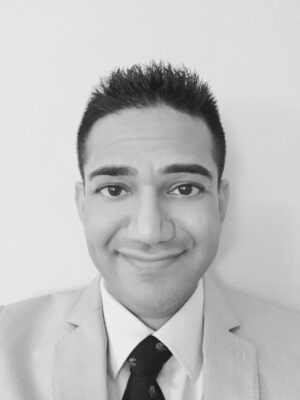
Dr. Chirag Patel is a board-certified pediatric dentist who holds a fellowship in Dental Medicine for the Developmentally Disabled from Stony Brook School of Dental Medicine, a credential earned through focused clinical training that covers patients of all ages with intellectual and developmental disabilities, not children alone. He completed his pediatric specialty training at St. Joseph's Regional Medical Center in Paterson, NJ, and is a member of the American Academy of Pediatric Dentistry (AAPD) and the American Board of Pediatric Dentistry. He also serves as faculty at Zufall Health Center in West Orange. Our full range of pediatric dental services is available to every patient who needs them, regardless of age.
The Fellowship That Makes the Difference: Kids and Adults
Most pediatric dental practices treat children with special needs as a subset of their general patient base. Dr. Patel's training goes substantially further. His fellowship in Dental Medicine for the Developmentally Disabled from Stony Brook School of Dental Medicine is a post-doctoral credential earned through advanced clinical training specifically focused on providing dental care to individuals with intellectual and developmental disabilities across the full lifespan, from toddlers through elderly adults.
This matters practically for families in Essex County in two ways. First, it means that when a child with special needs grows up, they do not need to find a new provider. Dr. Patel has the clinical preparation to continue caring for patients through adulthood, a transition point that is one of the most common causes of disrupted dental care in this population. Second, it means adult patients who have never had consistent dental care, due to provider gaps, behavioral challenges, or difficulty finding an accommodating practice, can begin care here, at any age, without starting over at a general practice that may not have the training to serve them well.
Faculty Role at Zufall Health Center
Dr. Patel's faculty role at Zufall Health Center in West Orange further reflects his commitment to patients who face barriers to accessing care, including patients with disabilities, patients with Medicaid coverage, and patients who are medically complex. Families seeking dental care for a patient with special needs can expect to be seen by a provider whose clinical preparation is not standard in the field.
“When a child with special needs grows up, they do not need to find a new provider, Dr. Patel's training covers patients of all ages with intellectual and developmental disabilities.”
Conditions We Treat and Patients We See
Our practice provides dental care for children and adults with a wide range of conditions that require accommodated care. These include autism spectrum disorder, Down syndrome, cerebral palsy, intellectual and developmental disabilities, sensory processing disorders, anxiety disorders that significantly affect dental visits, and other physical, cognitive, or behavioral conditions that make a standard dental practice an unreliable option.
Autism Spectrum Disorder
Children and adults with autism often have sensory sensitivities that make dental environments, bright lights, unfamiliar sounds, oral contact, particularly difficult to tolerate. Dr. Patel uses a gradual, predictable approach that introduces new experiences incrementally. We prioritize consistency: when possible, the same provider and team members for every appointment, a structured routine from check-in through dismissal, and clear communication about what will happen before it happens. For patients who need additional support, nitrous oxide sedation or in-office deeper sedation are available.
Down Syndrome
Patients with Down syndrome frequently present with delayed tooth eruption, hypotonia affecting oral muscle function, and a higher susceptibility to periodontal disease. Many also have cardiac conditions that require coordination with their medical team before certain dental procedures. Dr. Patel works with families and medical providers to ensure that treatment planning accounts for the full picture of each patient's health, not just the dental component.
Cerebral Palsy and Motor Conditions
Patients with cerebral palsy and other conditions affecting motor control often have difficulty with at-home oral hygiene, higher rates of dental erosion from medication side effects, and positioning needs during dental treatment. Our team has experience adapting physical positioning and instrument use to accommodate patients whose mobility or involuntary movements require a modified clinical approach.
Intellectual and Developmental Disabilities
Adults and children with intellectual disabilities may need additional time, simplified explanations, a predictable routine, and a provider who does not react negatively when a visit takes longer than expected. These are not exceptional accommodations at our practice, they are the standard. Patients with I/DD also have statistically higher rates of untreated dental disease than the general population, making regular preventative care especially important. Our preventative care approach is built around catching problems before they become urgent.
“These are not exceptional accommodations at our practice, they are the standard.”
Why So Many Adults With Special Needs Go Without Dental Care
The gap in dental care for adults with intellectual and developmental disabilities is not a minor problem. Research consistently identifies it as among the most significant unmet health needs in this population. The causes are structural: most dental schools did not historically include special care dentistry in their curriculum, most general dental practices are not equipped with the clinical knowledge or the physical setup to accommodate complex behavioral or cognitive needs, and the transition out of pediatric dental care in early adulthood frequently results in patients losing access to the provider who knew them best.
The consequences are real. Untreated cavities, periodontal disease, and dental pain directly affect behavior, nutrition, sleep, and quality of life for patients who may not be able to communicate that something is wrong. Caregivers frequently report that behavioral changes they could not explain were later traced to dental pain. Regular preventative care and a consistent dental home are not optional for this population, they are foundational.
Dr. Patel's practice accepts patients in this gap. If your adult family member has not had dental care in years, or has had consistently poor experiences at general practices, or has been told that a provider cannot accommodate their needs, this is what we are here for. Contact our office to talk through your family member's history before scheduling a first appointment.
“Dental pain directly affects behavior, nutrition, sleep, and quality of life for patients who may not be able to communicate that something is wrong.”
Check out what others are saying about our dental services on Yelp: Special Needs Dentist for Kids in West Caldwell, NJ
What a Visit Looks Like: Accommodations, Pacing, and Sedation
A visit for a patient with special needs at Little Molars Pediatric Dentistry is not a standard dental appointment compressed into a shorter time slot. It is a clinical experience built around the patient's specific needs, paced to allow adjustment, and structured to minimize the sensory and behavioral challenges that make dental care difficult.
Familiarization Appointments
For new patients, we offer familiarization visits before any clinical work begins. The patient visits the office, meets the team, sits in the chair, and gets comfortable with the environment with no clinical procedures performed. These visits significantly reduce anxiety at subsequent appointments and give our team time to understand the patient's specific sensitivities, communication style, and behavioral patterns before treatment starts.
Sedation Options
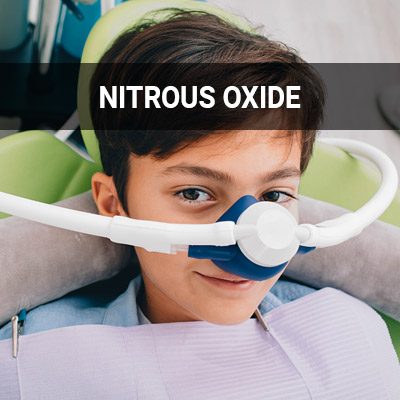
For patients who need additional anxiety support, nitrous oxide sedation is available. It is safe, fast-acting, and wears off completely within minutes of the appointment ending. For patients whose needs go beyond what nitrous oxide can address, including those for whom any level of dental treatment is extremely difficult without deeper sedation, we offer in-office sedation with an anesthesiologist who comes to our West Caldwell practice. This allows Dr. Patel to complete all necessary treatment in a single visit in a small, familiar office setting, without requiring the patient to navigate a hospital or surgical center environment, which can be significantly more distressing for patients with sensory or cognitive challenges.
Caregiver and Family Involvement
Caregivers, parents, and family members are active participants in every appointment. Dr. Patel explains findings and treatment options clearly, discusses any upcoming procedures in advance, and welcomes questions at any stage. For adult patients who work with support staff or group home providers, we are experienced coordinating with those teams and can communicate findings and care plans in ways that are accessible to whoever is responsible for the patient's ongoing support.
“For patients who need deeper sedation, the anesthesiologist comes to our office, there is no need to navigate a hospital or surgical center.”
Questions Answered on This Page
Q. Do you see adults with special needs, or only children?
Q. What conditions do you treat in special needs patients?
Q. Why do adults with special needs often go without dental care?
Q. What does a special needs dental visit look like?
People Also Ask
Q. What sedation options are available for anxious patients?
Q. What is preventative pediatric dental care?
Q. Why choose a pediatric dentist instead of a general dentist?
Frequently Asked Questions
Q. Do you see adults with special needs, or only children?
A. We see both children and adults with special needs. Dr. Patel holds a fellowship in Dental Medicine for the Developmentally Disabled from Stony Brook School of Dental Medicine , a credential that covers care for patients of all ages with intellectual and developmental disabilities. Many of our patients with special needs are adults who began care with us as children, and we also welcome adult patients referred to us by caregivers, group homes, and medical providers.
Q. What conditions do you treat in special needs patients?
A. We provide dental care for patients with autism spectrum disorder, Down syndrome, cerebral palsy, intellectual and developmental disabilities, sensory processing disorders, anxiety disorders that significantly impact dental visits, and other physical, cognitive, or behavioral conditions that require accommodated care. If you are unsure whether we can serve your child or family member, contact our office and we will help you determine whether we are the right fit.
Q. What sedation options are available for patients with special needs?
A. We offer nitrous oxide sedation for patients who need mild anxiety relief and can breathe comfortably through their nose. For patients who need a deeper level of support, we offer in-office sedation with an anesthesiologist who comes directly to our West Caldwell practice. This allows Dr. Patel to complete all necessary treatment in a single visit without requiring a hospital or surgery center setting.
Q. How do you prepare a special needs patient for their first dental visit?
A. We offer familiarization appointments that allow patients to visit the office, meet our team, and get comfortable in the space before any clinical work begins. We move at the patient's pace, use calm and plain language, and never rush a patient who needs more time. Before the first appointment, speaking positively about the visit, driving by the office in advance, and bringing comfort items can all help. Let our team know about specific sensory sensitivities or past dental experiences so we can plan accordingly.
Q. Why is dental care particularly important for patients with special needs?
A. Patients with intellectual and developmental disabilities are at significantly higher risk for untreated cavities and periodontal disease than the general population, and dental care is consistently identified as one of the top unmet health needs for this group. Oral health directly affects overall health, nutrition, behavior, speech, and quality of life. Regular professional care is especially important for patients who take medications that affect saliva or who have difficulty maintaining at-home oral hygiene.
Q. My adult family member has never seen a dentist who could accommodate them. Can you help?
A. Yes. This is one of the most common situations we encounter. Adults with intellectual and developmental disabilities frequently face a gap in dental care because most providers are not trained or equipped to accommodate their needs. Dr. Patel's fellowship in Dental Medicine for the Developmentally Disabled was specifically designed to fill this gap. We welcome adult patients of any age, work closely with caregivers and group home staff, and can coordinate with medical providers when needed.
Quality Pediatric Dental Services Can Transform Smiles
By visiting us as soon as possible, our team can help get your child or family member the professional treatment they need.

Scan here to view this page, Special Needs Dentist for Kids, on mobile
Special Needs Dentistry for Kids and Adults at Little Molars Pediatric Dentistry
No patient should go without dental care because their needs are too complex for a general practice. Little Molars Pediatric Dentistry serves children and adults with special needs throughout West Caldwell, Montclair, Essex Fells, Cedar Grove, and the surrounding communities of Essex County. Dr. Patel's fellowship in Dental Medicine for the Developmentally Disabled, board certification, and faculty role at Zufall Health Center in West Orange reflect a level of clinical preparation that makes a meaningful difference for patients and families who have struggled to find consistent, comfortable dental care. We accept most major insurance plans, including Delta Dental PPO, MetLife, Cigna Dental, Aetna Dental, Guardian, and Blue Cross Blue Shield (select plans), as well as HSA and FSA payments. Learn more about our team on our about page.
If you are looking for a dentist who can genuinely accommodate your child or adult family member with special needs, contact our office today. We welcome calls from caregivers and group home providers as well as families, and are happy to discuss your patient's history before scheduling a first appointment.
Helpful Related Links
- National Library of Medicine. Optimizing Dental Care for Adults With Intellectual and Developmental Disabilities. 2024
About our business, license, and website security
- Little Molars Pediatric Dentistry was established in 2023.
- We accept the following payment methods: Cash, Discover, MasterCard, and Visa
- We serve patients from the following counties: Essex County
- We serve patients from the following cities: West Caldwell, Caldwell, North Caldwell, Fairfield, East Hanover, Montville, Verona, and Montclaire
- Norton Safe Web. View Details
- Trend Micro Site Safety Center. View Details

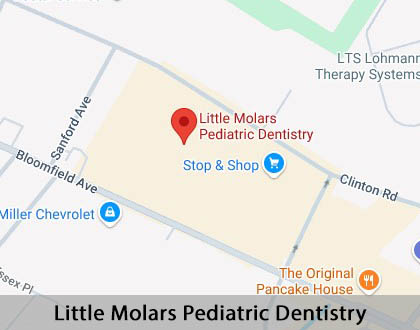
Scan here to open directions to Little Molars Pediatric Dentistry on mobile
Related Posts
How A Kids Dentist Makes Dental Visits Fun
Many children approach dental visits with reluctance or outright fear. That reaction is learned — it develops when the dental environment feels unfamiliar, clinical, or unpredictable. The good news is that with the right provider, those same visits can become something children actually look forward to.At Little Molars Pediatric Dentistry in West Caldwell, every element…
Gentle Dental Care For Children: How A Kids Dentist Makes A Difference
Children who have good experiences at the dentist early in life are far more likely to maintain consistent dental care as they grow. The problem is that those first visits can go either way — and the approach the dental team takes makes all the difference in which direction they go.At Little Molars Pediatric Dentistry…
How A Kids Dentist Helps Prevent Childhood Tooth Decay
Tooth decay is among the most common chronic health conditions in children — yet it is almost entirely preventable. The gap between children who develop cavities and those who do not often comes down to one factor: whether they have a consistent relationship with a pediatric dental practice that provides both treatment and proactive prevention.At…
Explore additional topics covered on our website:
Call Us Today

Scan here to call Little Molars Pediatric Dentistry on mobile