How a Kids Dentist Makes Dental Visits Fun
 Many children approach dental visits with reluctance or outright fear. That reaction is learned — it develops when the dental environment feels unfamiliar, clinical, or unpredictable. The good news is that with the right provider, those same visits can become something children actually look forward to.
How a Kids Dentist Makes Dental Visits Fun
At Little Molars Pediatric Dentistry in West Caldwell, every element of the practice is designed to replace anxiety with curiosity and make dental care a positive part of a child's life. Here are the five ways a pediatric dental office turns routine visits into experiences children remember positively.
A Kid-Friendly Environment
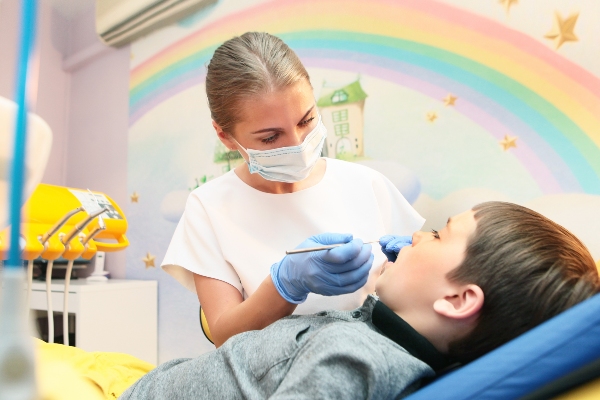
When children walk into a pediatric dental office, the physical environment immediately communicates that this space was made for them. Brightly colored walls, themed decor, and waiting areas filled with toys, games, and age-appropriate programming all set the stage before the appointment even begins. This thoughtful design is not incidental — it is a deliberate strategy for lowering the anticipatory anxiety that makes many children resistant before they have even sat in the chair.
The calming effect of a welcoming environment carries through the entire visit. A child who arrives feeling curious rather than nervous cooperates more readily with the dental team and leaves with a more positive memory of the experience overall.
A Friendly and Approachable Team
Everyone in a pediatric dental office — from the front desk to the hygienist to the dentist — is trained to communicate with children in a warm, patient, and encouraging manner. That training goes beyond bedside manner: it encompasses an understanding of child development, behavioral science, and the specific fears that children bring to dental settings.
Positive reinforcement, genuine interest in each child's world, and the use of small rewards like stickers help children associate dental visits with support and encouragement. A child who feels genuinely welcomed by the people caring for them is a child who returns willingly for the next appointment.
An Educational and Interactive Approach
Rather than simply performing procedures, a kids dentist explains what is happening at every step using language children can understand. Tools are introduced by name, their purpose is explained in plain terms, and children are often given the opportunity to touch or inspect instruments before they are used. This interactive approach demystifies the dental visit and replaces the fear of the unknown with a sense of participation.
Educational posters, visual aids, and brief demonstrations of proper brushing and flossing turn routine checkup time into genuine learning. Children who leave an appointment with new knowledge about their teeth are more likely to take that knowledge home and apply it to their daily routine.
Ensuring Kids Feel Safe and Comfortable
Pediatric dentists use instruments specifically designed for children's smaller mouths, apply topical numbing agents before any injection, and pace each procedure to match the child's comfort level. The goal is always to perform dentistry in the gentlest way possible so that children do not associate the dental chair with pain or discomfort.
For children with more significant anxiety, additional comfort options are available, including nitrous oxide and oral sedation, when clinically appropriate. The priority at every visit is that the child leaves feeling safe — not just treated. A child who has never had a frightening dental experience is a child who will not avoid care as they grow older.
Fun Distractions and Entertainment
Distraction is a well-documented behavioral tool in pediatric dentistry. Many pediatric offices use televisions mounted on the ceiling, allow children to bring a favorite stuffed animal or blanket into the treatment room, or play music during procedures. These elements shift the child's attention away from any procedural discomfort and onto something engaging, making the experience feel shorter and more manageable.
The cumulative effect of these strategies is an association between dental visits and positive experiences — an association that, once formed, tends to hold for a long time. Children who grow up looking forward to the dentist become adults who prioritize their oral health.
What age should my child start seeing a pediatric dentist?
The American Academy of Pediatric Dentistry recommends a first dental visit by age one or within six months of the first tooth appearing. Early visits are brief and low-key — primarily focused on familiarizing the child with the office and providing guidance for parents on at-home care and dietary habits.
What if my child refuses to sit in the dental chair?
Refusal is common, especially on early visits. Pediatric dentists are trained in behavior management techniques that help reluctant children warm up gradually. In many cases, allowing the child to sit on a parent's lap, start with a simple mirror tour, or simply watch a hygienist work on a parent first can make an enormous difference. Pushing through the resistance without these strategies often makes the anxiety worse, so patience and pacing are key.
Is nitrous oxide safe for children?
Nitrous oxide, often called laughing gas, has a long and well-established safety record in pediatric dentistry. It takes effect quickly, wears off completely within minutes after the mask is removed, and allows children to remain awake and cooperative throughout the procedure. It is one of the most commonly used comfort options in pediatric dental offices and is appropriate for most children who need a little extra help relaxing during treatment.
How do I talk to my child about the dentist without making them nervous?
Keep the conversation positive and simple. Avoid words like needle, shot, hurt, or pain. Instead, describe the dentist as someone who counts teeth and helps keep them strong. Reading picture books about dental visits before the appointment can also help build familiarity. Most importantly, children pick up on parental anxiety — if you approach the subject calmly and matter-of-factly, they are more likely to follow your lead.
Check out what others are saying about our dental services on Yelp: Kids Dentist in West Caldwell, NJ
Schedule an Appointment at Little Molars Pediatric Dentistry
A great dental experience in childhood is one of the best gifts you can give your child's long-term health. The team at Little Molars Pediatric Dentistry in West Caldwell is ready to make that happen for your family.
Request an appointment at Little Molars Pediatric Dentistry for an appointment in our West Caldwell office.

MEDICALLY REVIEWED BYDr. Chirag Patel, DMD – Board-Certified Pediatric Dentist
Dr. Chirag Patel is a board-certified pediatric dentist dedicated to helping infants, children, and teens develop healthy smiles through compassionate, evidence-based care. After earning his Doctor of Dental Medicine degree, he completed advanced training in general dentistry, dental care for patients with developmental disabilities, and pediatric dentistry. Dr. Patel reviews clinical content to ensure it reflects current pediatric dental standards, evidence-based practices, and clear, family-friendly guidance that helps parents make informed decisions about their child's oral health.