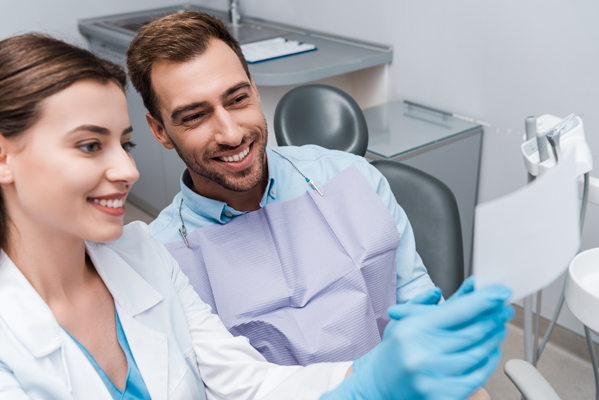
Painless dentistry focuses on providing dental care with minimal or no discomfort so patients can maintain their oral health without fear or anxiety. This innovative approach has transformed modern dental care, making it more accessible and appealing for patients who may otherwise avoid necessary treatments. By incorporating advanced techniques and technology, painless dentistry helps eliminate discomfort during procedures while promoting overall comfort and relaxation.
What is painless dentistry?
Painless dentistry encompasses various methods and tools aimed at reducing or eliminating discomfort during dental visits. The term refers not only to the absence of pain but also to a comfortable and stress-free experience. Techniques such as local anesthesia, sedation dentistry, and advanced laser treatments contribute to the efficacy of this approach. The goal is to address dental concerns while ensuring patients feel at ease throughout their appointments. Therefore, general, family, and cosmetic dentists may offer painless dentistry.
Advanced techniques in painless dentistry
Modern advancements have significantly improved the capabilities of painless dentistry. Dental lasers, for example, offer a minimally invasive alternative to traditional methods, meaning there is less of a need for drills and sutures. Dental lasers can help with various procedures, including cavity removal, gum contouring, and treating soft tissue issues.
Air abrasion is another innovative tool that enhances the painless dentistry experience. This method allows tooth decay removal without the need for traditional drilling. Instead, it uses a stream of tiny particles to gently eliminate decayed material, leaving healthy tooth structures untouched.
When painless dentistry is recommended
Painless dentistry is recommended in situations where discomfort or anxiety might hinder the ability to receive effective treatment. For instance, patients who need extensive dental work — such as root canals, dental implant surgery, or invasive gum disease treatments — often opt for painless dentistry techniques for a smooth and stress-free experience. This approach is particularly helpful in dental emergencies that require immediate treatment to relieve pain and prevent complications like infection.
On the other hand, patients can also opt for painless dentistry for elective treatments. Those getting dental veneers, professional teeth whitening, and similar cosmetic services can find greater comfort with these techniques.
Who can benefit from painless dentistry?
Patients with heightened sensitivity or dental anxiety often benefit significantly from painless dentistry. While it does not directly address the anxiety itself, this approach enables dentists to provide care without causing discomfort or fear, creating a more relaxed experience.
Painless dentistry is also ideal for children and patients with special needs. Offering a gentle and accommodating approach fosters a positive relationship with dental care early in life and encourages lifelong oral health habits. Additionally, those with medical conditions or disabilities that make traditional dental treatments challenging may find painless dentistry invaluable.
Discover painless dentistry
Painless dentistry represents a significant shift in how dental care is provided, prioritizing patient comfort and accessibility. Whether addressing routine care, cosmetic enhancements, or complex procedures, it provides a reassuring solution that promotes long-term dental well-being. Contact our West Caldwell team to learn more in a consultation.
Dr. Chirag Patel is a board-certified pediatric dentist dedicated to helping infants, children, and teens develop healthy smiles through compassionate, evidence-based care. After earning his Doctor of Dental Medicine degree, he completed advanced training in general dentistry, dental care for patients with developmental disabilities, and pediatric dentistry. Dr. Patel reviews clinical content to ensure it reflects current pediatric dental standards, evidence-based practices, and clear, family-friendly guidance that helps parents make informed decisions about their child's oral health.
Every parent knows the milestone moment — a wiggly tooth, a gap-toothed grin, and a very excited child waiting for the tooth fairy. Baby teeth come and go on a schedule that can feel unpredictable, and when your child's smile starts changing earlier or later than their friends', the questions start piling up fast. Understanding…
Most parents know to schedule regular dental cleanings and watch for cavities, but there is another milestone many overlook: the orthodontic evaluation. Bite problems, crowding, and jaw misalignment rarely fix themselves, and the window for catching these issues early is shorter than most people realize. Noticing the right signs before problems progress can mean the…
You've handed your baby a pacifier to soothe a meltdown, or you've watched them contentedly nuzzle a thumb — and now you're wondering whether either habit is quietly wreaking havoc on those tiny teeth. It's a question nearly every parent faces, and the answer is a little more nuanced than you might expect.At Little Molars…
Your baby has been fussier than usual, drooling through their bibs, and gnawing on anything within reach. If this sounds familiar, teething is likely underway. It is one of the earliest developmental milestones parents face, and it can feel overwhelming when you are not sure what is normal and what is cause for concern. Fortunately,…