Benefits of Digital X-Rays on Your Dental Visit
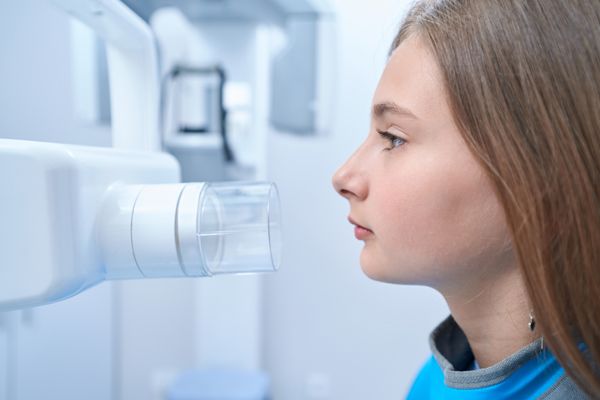
Digital x-rays are a diagnostic tool dentists use to examine the internal structures of teeth and gums. The procedure is quick, comfortable, and produces detailed images that traditional film-based x-rays simply cannot match.
At Little Molars Pediatric Dentistry in West Caldwell, New Jersey, Dr. Chirag Patel, DMD uses digital x-ray technology as a standard part of every comprehensive exam. As a board-certified pediatric dentist with advanced training in evidence-based pediatric dental care, Dr. Patel prioritizes approaches that minimize radiation exposure while giving families the clearest possible picture of their child’s developing smile.
Benefits of Digital X-Rays
Digital x-rays offer several meaningful advantages over traditional film-based imaging. Here is a closer look at why the shift to digital has become the standard of care in modern dental practices.
1. Significantly Less Radiation Exposure
One of the most common concerns parents raise about dental x-rays is radiation. Digital x-rays reduce a patient’s radiation exposure by up to 80 percent compared to traditional film x-rays. The amount of radiation involved is comparable to what a person absorbs during a short plane flight or a day spent outdoors in direct sunlight.
According to the American Dental Association’s MouthHealthy resource on dental x-rays, digital radiography is one of the most significant advances in minimizing patient exposure while maintaining diagnostic precision.
2. Improved Image Quality and Accuracy
A small sensor placed gently in the mouth captures detailed images and sends them directly to a computer screen within seconds. Software tools allow the image to be magnified, adjusted for contrast, and examined closely for early-stage decay, developmental issues, or changes in bone structure. There is no chemical development process and no risk of image quality degrading over time. This precision makes it easier to catch concerns before they require more complex treatment.
3. Virtually Unlimited Storage
Digital images are stored electronically, making it simple to maintain a complete record of a child’s dental development. Comparing past and current images allows Dr. Patel to track how teeth are coming in, evaluate how treatments are progressing, and catch early signs of problems before they become more involved. When a referral to a specialist is needed, images can be shared instantly without physical film.
4. More Environmentally Responsible
Traditional x-ray processing requires chemical fixers and developers that generate hazardous waste. Digital x-rays eliminate this entirely, with no film, no chemicals, and no disposal concerns. Dental practices that have made the switch to digital imaging reduce their environmental impact significantly, and families can feel confident that the technology in use aligns with responsible practice.
5. Faster Appointments
Digital sensors can capture multiple images in a single session and display them immediately. There is no waiting for film to develop, no delays in reviewing results, and no need to reschedule if a retake is needed. This keeps appointments moving smoothly for children and saves time for parents with busy schedules.
Schedule Your Child’s X-Rays at Little Molars Pediatric Dentistry
Digital x-ray technology is one of the ways Little Molars Pediatric Dentistry keeps every visit safe, comfortable, and as informative as possible. Dr. Patel’s commitment to current pediatric dental standards means that families in West Caldwell and the surrounding area receive care built on the latest evidence and best practices.
Contact our office today to schedule your child’s next appointment at Little Molars Pediatric Dentistry.
Frequently Asked Questions About Digital Dental X-Rays
How often does my child need dental x-rays?
Frequency depends on your child's age, cavity risk, and stage of dental development. Children with a higher cavity risk or who are actively losing and gaining teeth may need x-rays every six months. Lower-risk patients may only need them once a year. Dr. Patel will assess your child's individual needs and recommend an appropriate schedule at each visit.
Are digital x-rays safe for young children?
Yes. Digital x-rays expose children to significantly less radiation than traditional film x-rays, and the levels involved are very low. A lead apron is used during the imaging process as an added precaution. The diagnostic value of identifying problems early far outweighs the minimal radiation exposure involved in the procedure.
Will my child feel anything during a digital x-ray?
The process is comfortable and pain-free. A small sensor is placed gently in the mouth, the image is captured in seconds, and there are no injections or discomfort involved. Dr. Patel's team takes time to explain each step in a way that is easy for children to follow, which helps keep the experience calm for most young patients.
What can digital x-rays detect that a visual exam cannot?
Digital x-rays reveal cavities forming between teeth that are not visible to the naked eye, infections or bone changes below the gumline, and the position of permanent teeth still developing beneath the surface. Many of the most significant early findings in pediatric dental care are only visible through imaging, which is why x-rays are a standard part of comprehensive pediatric dental checkups.

Dr. Chirag Patel is a board-certified pediatric dentist dedicated to helping infants, children, and teens develop healthy smiles through compassionate, evidence-based care. After earning his Doctor of Dental Medicine degree, he completed advanced training in general dentistry, dental care for patients with developmental disabilities, and pediatric dentistry. Dr. Patel reviews clinical content to ensure it reflects current pediatric dental standards, evidence-based practices, and clear, family-friendly guidance that helps parents make informed decisions about their child's oral health.