
Restorative Dental Care West Caldwell, NJ
When a cavity shows up on a dental X-ray, it's easy to feel a wave of worry wash over you. However, you can take comfort in knowing that restorative dental care for children is incredibly common, and with the right pediatric dental team, treatment can be smooth, comfortable, and even a little bit boring in the best possible way. Baby teeth play a vital role in your child's ability to chew, speak, and hold space for their permanent teeth, so addressing decay or damage early is one of the best things you can do for their long-term oral health.
At Little Molars Pediatric Dentistry in West Caldwell, NJ, Dr. Chirag Patel and the team approach pediatric dental services with a gentle hand and a calm, kid-focused atmosphere. Dr. Patel has been practicing pediatric dentistry since 2015, with specialized training from St. Joseph's Regional Medical Center in Paterson, NJ. Whether your child needs a simple filling or a more involved procedure, we take a personalized approach to make every visit as comfortable as possible.
What Is Restorative Dentistry for Children?
Restorative dentistry refers to any treatment that repairs or replaces damaged tooth structure. In pediatric patients, the most common reasons for restorative care include cavities, cracked or broken teeth, deep decay that has reached the nerve, and teeth that need to be removed. The goal in every case is to preserve oral function, relieve any discomfort, and protect the surrounding teeth and jaw development.
The National Institute of Dental and Craniofacial Research notes that dental caries remains one of the most common chronic conditions affecting children in the United States, which is why restorative care is such an important part of a complete pediatric dental practice.
“Baby teeth play a vital role in your child’s ability to chew, speak, and hold space for their permanent teeth.”
Tooth-Colored Fillings
When decay is caught early, a filling is often all that's needed to restore the tooth. We use tooth-colored composite fillings that blend naturally with your child's smile rather than standing out. These are BPA-free resin materials that bond directly to the tooth, making them both a functional and aesthetic solution for kids of all ages.
How the Process Works
The filling appointment is typically quick and straightforward. Dr. Patel will gently remove the decayed portion of the tooth, clean the area, and apply the composite material in layers, hardening each layer with a curing light before shaping and polishing the final result. Most kids are surprised by how easy it is, and many are back to their regular routine the same day.
When a Crown Is the Better Option
For teeth with more extensive decay or after certain nerve treatments, a dental crown may be recommended to fully cover and protect the remaining tooth. Crowns are durable, effective, and fitted to feel comfortable in your child's mouth without affecting how they eat or speak.
“Children don’t always communicate dental pain clearly, so parents need to watch for subtle signs.”
Pulpotomies and Baby Root Canals
A pulpotomy, sometimes called a baby root canal, is recommended when decay has progressed deep enough to reach the tooth's pulp, the soft inner tissue containing nerves and blood vessels. Rather than extracting the tooth right away, a pulpotomy removes the affected pulp tissue while preserving the healthy root structure, allowing the tooth to remain in place until it's ready to fall out naturally.
Why Saving Baby Teeth Matters
It might seem like it's not worth saving a tooth that will eventually come out on its own, but baby teeth are critical placeholders. Losing one too soon can cause neighboring teeth to shift and create alignment problems for permanent teeth as they grow in. A pulpotomy involves removing the diseased pulp from the crown of the tooth, placing a medicated material to protect the remaining root, and then covering the tooth with a crown to restore its strength.
Making the Procedure Comfortable
Dr. Patel takes great care to ensure children are calm and comfortable throughout nerve treatments. We offer nitrous oxide sedation to help anxious little patients relax during longer or more complex procedures, and our team is experienced at explaining every step in a way that kids can understand without feeling nervous.
“Each child’s dental needs are different, so we tailor our approach to the specific problem at hand.”
Check out what others are saying about our dental services on Yelp: Pediatric Dental Services in West Caldwell, NJ
Pediatric Tooth Extractions
Sometimes a tooth is too damaged or decayed to save, and a gentle tooth extraction is the best way to address it. Dr. Patel performs extractions with care, using local anesthesia to keep your child comfortable throughout. Removing a baby tooth earlier than expected is not uncommon, and we discuss every option with parents before moving forward, so you always feel informed.
When a tooth is removed ahead of schedule, we may recommend a space maintainer to hold the gap open and prevent surrounding teeth from drifting until the permanent tooth is ready to erupt. Space maintainers are a simple, proactive tool that can help your child avoid more complex orthodontic concerns later on.
“Early treatment costs less than waiting until problems worsen.”
Questions Answered on This Page
Q. What is restorative dental care?
Q. What are signs my child needs restorative care?
Q. What restorative treatment options do you offer?
Q. What are the benefits of restorative dentistry?
People Also Ask
Q. What's the best age for a first visit?
Q. What are some benefits of professional fluoride varnish?
Q. What kind of extra training does a pediatric dentist undergo?
Frequently Asked Questions
Q. Do baby teeth really need treatment if they’re going to fall out?
A. Yes. Baby teeth serve important functions beyond chewing. They maintain space for permanent teeth, support proper jaw development, and help children speak clearly. Untreated decay in baby teeth can spread to permanent teeth developing beneath the gums and cause painful infections that affect your child's overall health.
Q. How long do restorative treatments last?
A. Treatment longevity varies depending on the type of restoration and your child's oral care habits. Composite fillings typically last seven to ten years with proper care. Stainless steel crowns remain intact until the baby tooth naturally falls out. Regular checkups help us monitor restorations and address any concerns before they become problems.
Q. Will my child experience pain during restorative procedures?
A. We use local anesthesia to numb the treatment area, ensuring your child remains comfortable throughout the procedure. For children who feel anxious, we offer nitrous oxide sedation to help them relax. Most children report minimal discomfort after treatment, which can be managed with over-the-counter pain relievers if needed.
Q. How can I prevent my child from needing restorative treatments?
A. Regular brushing with fluoride toothpaste, daily flossing, limiting sugary snacks and drinks, and visiting the dentist every six months significantly reduce the risk of cavities. Professional cleanings and fluoride treatments provide additional protection. However, even with excellent home care, some children may still develop cavities due to genetics or other factors.
Q. Does insurance cover restorative dental treatments?
A. Most dental insurance plans cover restorative treatments like fillings and crowns, though coverage levels vary by plan. Our office accepts most major insurance plans and can help you understand your benefits. We work with families to maximize coverage and make treatment as affordable as possible.
Why Choose Little Molars Pediatric Dentistry
Dr. Patel's board certification in pediatric dentistry means he has completed years of additional training beyond dental school. This education focuses specifically on treating children and managing their unique dental needs. His experience helps children feel safe and comfortable during procedures.

Scan here to view this page, Pediatric Dental Services, on mobile
Definition of Pediatric Dental Terminology
Schedule Restorative Care at Little Molars Pediatric Dentistry
When your child needs restorative treatment, choosing a pediatric dental practice makes all the difference. Dr. Patel and the entire Little Molars team are dedicated to creating positive experiences for kids in West Caldwell and the surrounding communities of Fairfield, Montclair, Verona, Cedar Grove, and Little Falls. We accept most PPO insurance plans, as well as HSA and FSA payments, to make quality care accessible to your family. Ready to get your child's smile back on track? Contact us today to schedule an appointment and let us take great care of those little molars.
Helpful Related Links
- National Institute of Dental and Craniofacial Research (NIDCR). Dental Caries in Children. 2024
About our business, license, and website security
- Little Molars Pediatric Dentistry was established in 2023.
- We accept the following payment methods: Cash, Discover, MasterCard, and Visa
- We serve patients from the following counties: Essex County
- We serve patients from the following cities: West Caldwell, Caldwell, North Caldwell, Fairfield, East Hanover, Montville, Verona, and Montclaire
- Norton Safe Web. View Details
- Trend Micro Site Safety Center. View Details

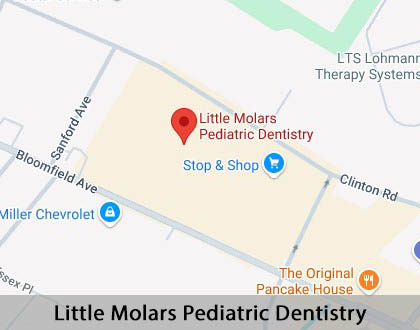
Scan here to open directions to Little Molars Pediatric Dentistry on mobile
Back to top of Restorative Dental Care
Related Posts

A Dentist For Kids Specializes In Children's Oral Health
When parents talk about wanting a dentist who is "good with kids," they usually mean someone patient and friendly. When a parent of a child with autism, Down syndrome, cerebral palsy, or another condition that makes dental visits genuinely difficult says the same thing, they mean something far more specific. They mean a provider whose…

Common Kids Dental Emergency Visits
A pediatric dental emergency often triggers panic in the children themselves and some parents. Keeping your peace of mind is important during this crisis. Comforting the child is a priority and can make the trip to the pediatric dentist easier. Here are the details if you want to know more about the common kids' dental…

How To Care For A Kids Toothache
If there is one thing parents do not know how to deal with, it is kids toothaches. Not only are you worried about your kids, but they become irritable when they are in pain. The first thing you should do is set an appointment with a pediatric dentist. But while you wait for the schedule,…
Explore additional topics covered on our website:
Call Us Today

Scan here to call Little Molars Pediatric Dentistry on mobile