
Baby Root Canal West Caldwell, NJ
A baby root canal, also called a pulpectomy, removes all infected or damaged pulp tissue from a baby tooth when decay has progressed far enough to reach the nerve. The tooth is then disinfected, filled, and protected with a crown that keeps it functional until it falls out naturally. Baby teeth play a critical role in guiding permanent teeth into position and supporting speech and chewing development. According to the NIDCR Children's Oral Health resource, untreated decay in primary teeth is among the most common childhood health issues and can affect permanent tooth development if left unaddressed.
Baby root canals are performed in-house at Little Molars Pediatric Dentistry in West Caldwell. Dr. Chirag Patel is a board-certified pediatric dentist who completed his specialty training at St. Joseph's Regional Medical Center in Paterson, NJ, and holds a fellowship in Dental Medicine for the Developmentally Disabled from Stony Brook School of Dental Medicine. He is a member of the American Academy of Pediatric Dentistry (AAPD) and the American Board of Pediatric Dentistry. Our full range of pediatric dental services is designed to address every stage of your child's oral health from infancy through adolescence.
When Is a Baby Root Canal Necessary?
A baby root canal becomes necessary when tooth decay has reached the pulp, the soft interior of the tooth that contains nerves, blood vessels, and connective tissue. When the pulp becomes infected, the infection does not resolve on its own. Without treatment it can spread to surrounding teeth and to the permanent tooth developing beneath the baby tooth, causing damage that is far more difficult and costly to address later.
Pulpotomy vs. Pulpectomy
When damage to the tooth is less severe, a pulpotomy may be an option. A pulpotomy removes only the infected portion of the pulp in the tooth's crown while leaving the roots untouched. When the infection has spread through the entire tooth including the roots, a pulpectomy removes all pulp tissue, disinfects the canals completely, and then fills and crowns the tooth. Both procedures are performed in-house at Little Molars Pediatric Dentistry. Baby teeth also have thinner enamel than permanent teeth, which means decay can spread quickly between teeth and into neighboring healthy ones. Early treatment preserves the tooth and protects the permanent tooth developing beneath it.
“When a baby tooth's infection has spread through the entire pulp, a pulpectomy removes all infected tissue, disinfects the canals, and crowns the tooth to protect it until it falls out naturally.”
Preparing for the Procedure
Before scheduling a baby root canal, Dr. Patel will conduct a thorough exam and take digital X-rays to assess the full extent of the infection and confirm a pulpectomy is the right treatment. At the consultation, parents can share their child's complete medical history, list of current medications, and any known allergies, particularly to antibiotics or anesthetic agents, which helps us plan the safest possible approach.
Root canals have a reputation for being painful, but this reputation is based on adult experiences with teeth that have already caused significant pain before treatment. For children, the procedure is done under local anesthetic and, when appropriate, nitrous oxide sedation to keep them calm and comfortable. The most helpful thing a parent can do is stay calm and reassure their child that they will not feel pain during the procedure. Dr. Patel and his team will explain each step in child-friendly terms throughout the appointment.
“The most helpful thing a parent can do is stay calm. Dr. Patel explains each step in child-friendly terms, and local anesthetic ensures the child feels no pain during the procedure.”
What Happens During and After a Baby Root Canal
Dr. Patel begins by thoroughly numbing the area with a local anesthetic and isolating the tooth. He then removes all decay from the crown and accesses the pulp chamber. If the nerve tissue is fully infected through the roots, all pulp tissue is removed from the crown and root canals, the canals are disinfected, and the space is filled with a biocompatible material. The tooth is then built back up and covered with a stainless steel crown, which restores its normal size and function and protects it from fracturing before it falls out naturally.
After the procedure, your child should be able to return to normal activities the same day. Avoid offering food or drink while the mouth is still numb to prevent accidental biting of the cheek or lip. The area around the tooth may be slightly tender for a day or two, and an age-appropriate over-the-counter pain reliever can help. If Dr. Patel prescribes antibiotics, complete the full course. Your child should continue brushing and flossing as normal. Contact our office if you notice increasing pain, swelling, or other signs of infection in the days following the procedure.
“After a baby root canal your child can return to normal activities the same day. The crown restores the tooth's function and protects it until it falls out naturally.”
Questions Answered on This Page
Q. When is a baby root canal necessary?
Q. How do you prepare a child for a baby root canal?
Q. What happens during and after a baby root canal?
People Also Ask
Frequently Asked Questions
Q. Why does my child need a baby root canal?
A. A baby root canal is recommended when tooth decay has progressed through the enamel and dentin and into the pulp, infecting the soft tissue and nerve inside the tooth. At that stage a filling is not sufficient to restore the tooth. Removing the infected pulp, disinfecting the canal, and placing a crown eliminates the source of pain and infection and preserves the tooth until it falls out on its own schedule, allowing the permanent tooth to develop normally beneath it.
Q. What happens during a baby root canal?
A. Dr. Patel numbs the area with a local anesthetic, isolates the tooth, removes all decay, and accesses the pulp chamber. All infected pulp tissue is removed from the crown and root canals, the canals are disinfected, and the space is filled with a biocompatible material. The tooth is then covered with a stainless steel crown that restores its function and protects it from fracturing before it falls out naturally.
Q. What can I expect after a baby root canal?
A. Children can typically return to normal activities the same day. Avoid offering food or drink while the mouth is still numb. The area may be slightly tender for a day or two, which an age-appropriate over-the-counter pain reliever can address. Complete any prescribed antibiotics. Your child should continue brushing and flossing normally. Contact our office if you notice increasing pain, swelling, or other signs of infection in the days following the procedure.
Q. Is a baby root canal safe?
A. Yes. A pulpectomy is a well-established pediatric dental procedure that uses materials specifically formulated for children's teeth. It is performed under local anesthetic with sedation options available, causes minimal discomfort during the procedure, and has a short recovery. The long-term benefit of preserving the baby tooth until it falls out naturally outweighs the alternative of early tooth loss, which can cause spacing problems that affect permanent tooth eruption.
Q. Is a baby root canal covered by dental insurance?
A. Coverage varies by plan. Most dental insurance plans that include pediatric benefits cover pulp therapy on primary teeth at least in part, as it is considered a standard restorative procedure. We recommend contacting your insurance provider before the appointment to confirm your child's specific coverage. Our team can also assist with insurance questions when you call to schedule.
When Is a Baby Root Canal Necessary?
A baby root canal becomes necessary when tooth decay has reached the pulp, the soft interior of the tooth that contains nerves, blood vessels, and connective tissue. When the pulp becomes infected, the infection does not resolve on its own. Without treatment it can spread to surrounding teeth and to the permanent tooth developing beneath the baby tooth, causing damage that is far more difficult and costly to address later.
Pulpotomy vs. Pulpectomy
When damage to the tooth is less severe, a pulpotomy may be an option. A pulpotomy removes only the infected portion of the pulp in the tooth's crown while leaving the roots untouched. When the infection has spread through the entire tooth including the roots, a pulpectomy removes all pulp tissue, disinfects the canals completely, and then fills and crowns the tooth. Both procedures are performed in-house at Little Molars Pediatric Dentistry. Baby teeth also have thinner enamel than permanent teeth, which means decay can spread quickly between teeth and into neighboring healthy ones. Early treatment preserves the tooth and protects the permanent tooth developing beneath it.
“When a baby tooth's infection has spread through the entire pulp, a pulpectomy removes all infected tissue, disinfects the canals, and crowns the tooth to protect it until it falls out naturally.”
Preparing for the Procedure
Before scheduling a baby root canal, Dr. Patel will conduct a thorough exam and take digital X-rays to assess the full extent of the infection and confirm a pulpectomy is the right treatment. At the consultation, parents can share their child's complete medical history, list of current medications, and any known allergies, particularly to antibiotics or anesthetic agents, which helps us plan the safest possible approach.
Root canals have a reputation for being painful, but this reputation is based on adult experiences with teeth that have already caused significant pain before treatment. For children, the procedure is done under local anesthetic and, when appropriate, nitrous oxide sedation to keep them calm and comfortable. The most helpful thing a parent can do is stay calm and reassure their child that they will not feel pain during the procedure. Dr. Patel and his team will explain each step in child-friendly terms throughout the appointment.
“The most helpful thing a parent can do is stay calm. Dr. Patel explains each step in child-friendly terms, and local anesthetic ensures the child feels no pain during the procedure.”
What Happens During and After a Baby Root Canal
Dr. Patel begins by thoroughly numbing the area with a local anesthetic and isolating the tooth. He then removes all decay from the crown and accesses the pulp chamber. If the nerve tissue is fully infected through the roots, all pulp tissue is removed from the crown and root canals, the canals are disinfected, and the space is filled with a biocompatible material. The tooth is then built back up and covered with a stainless steel crown, which restores its normal size and function and protects it from fracturing before it falls out naturally.
After the procedure, your child should be able to return to normal activities the same day. Avoid offering food or drink while the mouth is still numb to prevent accidental biting of the cheek or lip. The area around the tooth may be slightly tender for a day or two, and an age-appropriate over-the-counter pain reliever can help. If Dr. Patel prescribes antibiotics, complete the full course. Your child should continue brushing and flossing as normal. Contact our office if you notice increasing pain, swelling, or other signs of infection in the days following the procedure.
“After a baby root canal your child can return to normal activities the same day. The crown restores the tooth's function and protects it until it falls out naturally.”
Questions Answered on This Page
Q. When is a baby root canal necessary?
Q. How do you prepare a child for a baby root canal?
Q. What happens during and after a baby root canal?
People Also Ask
Q. What is a pulpotomy?
Q. What are the signs a child has a cavity?
Q. What are the cavity treatment options for children?
Frequently Asked Questions
Q. Why does my child need a baby root canal?
A. A baby root canal is recommended when tooth decay has progressed through the enamel and dentin and into the pulp, infecting the soft tissue and nerve inside the tooth. At that stage a filling is not sufficient to restore the tooth. Removing the infected pulp, disinfecting the canal, and placing a crown eliminates the source of pain and infection and preserves the tooth until it falls out on its own schedule, allowing the permanent tooth to develop normally beneath it.
Q. What happens during a baby root canal?
A. Dr. Patel numbs the area with a local anesthetic, isolates the tooth, removes all decay, and accesses the pulp chamber. All infected pulp tissue is removed from the crown and root canals, the canals are disinfected, and the space is filled with a biocompatible material. The tooth is then covered with a stainless steel crown that restores its function and protects it from fracturing before it falls out naturally.
Q. What can I expect after a baby root canal?
A. Children can typically return to normal activities the same day. Avoid offering food or drink while the mouth is still numb. The area may be slightly tender for a day or two, which an age-appropriate over-the-counter pain reliever can address. Complete any prescribed antibiotics. Your child should continue brushing and flossing normally. Contact our office if you notice increasing pain, swelling, or other signs of infection in the days following the procedure.
Q. Is a baby root canal safe?
A. Yes. A pulpectomy is a well-established pediatric dental procedure that uses materials specifically formulated for children's teeth. It is performed under local anesthetic with sedation options available, causes minimal discomfort during the procedure, and has a short recovery. The long-term benefit of preserving the baby tooth until it falls out naturally outweighs the alternative of early tooth loss, which can cause spacing problems that affect permanent tooth eruption.
Q. Is a baby root canal covered by dental insurance?
A. Coverage varies by plan. Most dental insurance plans that include pediatric benefits cover pulp therapy on primary teeth at least in part, as it is considered a standard restorative procedure. We recommend contacting your insurance provider before the appointment to confirm your child's specific coverage. Our team can also assist with insurance questions when you call to schedule.
Check out what others are saying about our dental services on Yelp: Baby Root Canal in West Caldwell, NJ
Quality Pediatric Dental Services Can Transform Smiles
By visiting us as soon as possible, our team can help get your child the professional treatment they need.

Scan here to view this page, Baby Root Canal, on mobile

Definition of Pediatric Dental Terminology
Call Us Today
Yes, baby teeth do eventually fall out, but they remain a vital component of your child’s oral health. Taking care of their baby teeth also helps with the longevity and health of their permanent teeth. If your child is suffering from tooth pain, call us at 862-505-2260 to speak to a pediatric dentist about the treatment options available to help.
If you live in the West Caldwell area, call 862-505-2260 for an appointment in our West Caldwell office.
Helpful Related Links
- American Dental Association (ADA). Glossary of Dental Terms. 2024
About our business, license, and website security
- Little Molars Pediatric Dentistry was established in 2023.
- We accept the following payment methods: Cash, Discover, MasterCard, and Visa
- We serve patients from the following counties: Essex County
- We serve patients from the following cities: West Caldwell, Caldwell, North Caldwell, Fairfield, East Hanover, Montville, Verona, and Montclaire
- Norton Safe Web. View Details
- Trend Micro Site Safety Center. View Details

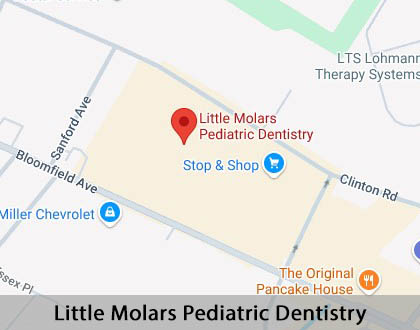
Scan here to open directions to Little Molars Pediatric Dentistry on mobile
Back to top of Baby Root Canal
Related Posts
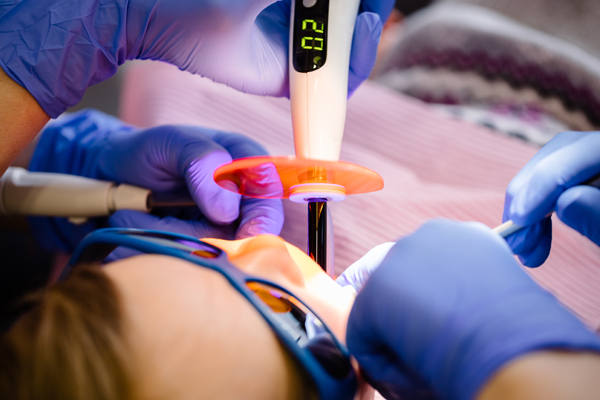
3 Things To Know About Getting A Baby Root Canal From A Pediatric Dentist
Wondering whether your child needs to undergo baby root canal therapy? Pediatric dentists are dental specialists for children, making it so many parents are choosing to take their child to a pediatric dentist to provide their child with any necessary dental services. Parents can ask this dental professional any questions they have that pertain to…

Baby Root Canals: What Parents Need To Know About Saving Baby Teeth
Does your child need a baby root canal? Read on to learn more about this restoration. Pediatric dentists typically prioritize prevention, mostly to avoid procedures like a baby root canal. However, sometimes, a root canal can be suggested when a primary tooth is severely damaged. For parents, this might be surprising. Since the baby's teeth…

What Should I Pack In My Child's Emergency Dental Kit?
A dental emergency can happen anywhere and at any time, whether your child takes a fall at the playground, chips a tooth during lunch, or wakes up in the middle of the night with a throbbing toothache. When that moment comes, how you respond in the first few minutes can make a real difference for…
Explore additional topics covered on our website:
Call Us Today

Scan here to call Little Molars Pediatric Dentistry on mobile