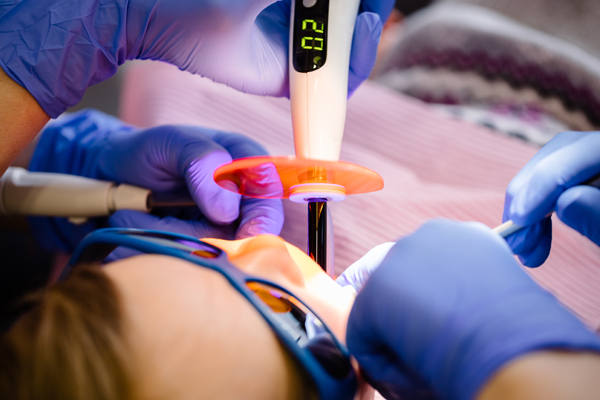
Wondering whether your child needs to undergo baby root canal therapy? Pediatric dentists are dental specialists for children, making it so many parents are choosing to take their child to a pediatric dentist to provide their child with any necessary dental services. Parents can ask this dental professional any questions they have that pertain to their child’s oral health.
While root canals do save teeth, preventing the need for one in the first place is preferred. Some of the more common signs that may suggest that a child would need to undergo this procedure to improve their oral health include red gums, swollen gums, tooth sensitivity, discomfort or pain and darkening in or around a tooth.
3 Things to know about what happens during a baby root canal
The list below includes information that every parent needs to know regarding the tooth canal process for children.
1. The child will be completely numbed
Children will be given a local anesthetic (or a higher level of sedation, as needed) before undergoing root canal therapy to repair the affected tooth. This means they will not feel anything during the procedure, as making children feel completely comfortable during their dental treatment is a priority for pediatric dentists. When it comes to the type of numbing treatment a child will need, it depends on the child, making it necessary for the parents and the dentist to make this decision beforehand.
2. The child will need a dental crown
Once the affected tooth has been successfully treated, a baby dental crown is placed over the tooth. Crowns are necessary to ensure that the tooth retains its integrity, as the reason for the therapy is to save the tooth from being lost forever. There are different types of dental crowns to choose from, making it necessary for the parents and the dentist to discuss these options before the therapy is performed. Common choices include metal crowns, ceramic crowns and porcelain-fused-to-metal crowns.
3. The procedure takes between 30 and 60 minutes
The entire root canal procedure will take an average of about 45 minutes to perform. It will depend on the extent of the tooth’s damage when it comes to how long the therapy will take. For parents who want an idea of how long it will specifically take their child to undergo the procedure, the dentist can let them know once their child has been fully evaluated. This is a short amount of time to repair a child’s tooth, as all teeth play an important role in the overall health of a child’s mouth.
Does your child currently need a baby root canal?
Now that it is understood why a child may need to undergo root canal therapy, parents know the importance of making a dental appointment as soon as possible to address any dental issues. It really is essential for parents to ensure their child’s first set of teeth are healthy, as healthy baby teeth support healthy permanent teeth.
Dr. Chirag Patel is a board-certified pediatric dentist dedicated to helping infants, children, and teens develop healthy smiles through compassionate, evidence-based care. After earning his Doctor of Dental Medicine degree, he completed advanced training in general dentistry, dental care for patients with developmental disabilities, and pediatric dentistry. Dr. Patel reviews clinical content to ensure it reflects current pediatric dental standards, evidence-based practices, and clear, family-friendly guidance that helps parents make informed decisions about their child's oral health.
When parents talk about wanting a dentist who is "good with kids," they usually mean someone patient and friendly. When a parent of a child with autism, Down syndrome, cerebral palsy, or another condition that makes dental visits genuinely difficult says the same thing, they mean something far more specific. They mean a provider whose…
A pediatric dental emergency often triggers panic in the children themselves and some parents. Keeping your peace of mind is important during this crisis. Comforting the child is a priority and can make the trip to the pediatric dentist easier. Here are the details if you want to know more about the common kids' dental…
If there is one thing parents do not know how to deal with, it is kids toothaches. Not only are you worried about your kids, but they become irritable when they are in pain. The first thing you should do is set an appointment with a pediatric dentist. But while you wait for the schedule,…
Convincing a toddler to hold still for two full minutes of toothbrushing ranks among the more reliably challenging parts of early parenting. But those two minutes, completed consistently twice a day, form the foundation of your child's long-term oral health and establish habits that stay with them well into adulthood.At Little Molars Pediatric Dentistry in…