
Infant Dental Care West Caldwell, NJ
Your baby's first smile is precious, but so are the teeth developing beneath those little gums. While those first teeth typically arrive around six months of age, infant dental care begins long before that first tooth breaks through. Understanding how to care for your baby's mouth from day one helps set the stage for a lifetime of healthy smiles.
Infant dental care forms the foundation of our comprehensive pediatric dental services. At Little Molars Pediatric Dentistry, Dr. Chirag Patel and his team specialize in gentle, personalized care designed specifically for infants, children, and teens. As a board-certified pediatric dentist with specialized training, Dr. Patel understands the unique developmental needs of young patients and creates positive early experiences that help children look forward to, rather than fear, dental visits.
Why Infant Dental Care Matters
Many parents wonder why dental care matters before teeth even appear. The truth is that oral health starts in infancy. Even before your baby's first tooth erupts, bacteria can affect the gums. Establishing good oral hygiene habits early helps prevent problems later and teaches your child that dental care is a normal, important part of daily life.
The American Dental Association notes that babies are born with all of their primary teeth already in their jaw, just waiting to emerge. These baby teeth serve critical functions beyond chewing. They help with speech development, hold space for permanent teeth, and guide proper jaw growth. Taking care of these first teeth from the start gives your child the best possible foundation.
Caring for Gums Before Teeth Arrive
Start cleaning your baby's mouth even before teeth appear. After each feeding, gently wipe your baby's gums with a soft, damp washcloth or gauze pad. This simple step removes bacteria and gets your little one accustomed to having their mouth cleaned. Making this part of your daily routine helps prevent feeding-related issues and establishes comfort with oral care.
First Tooth Care
When that first tooth breaks through, usually around six months, switch to a soft-bristled infant toothbrush. Use just a tiny drop of fluoride toothpaste, no larger than a grain of rice. Brush gently twice a day, paying special attention to the gum line where food particles and bacteria can collect. As more teeth come in, continue this routine while gradually increasing to a pea-sized amount of toothpaste around age three.
“Establishing good oral hygiene habits early helps prevent problems later and teaches your child that dental care is a normal, important part of daily life.”
When to Start Infant Dental Visits
At Little Molars Pediatric Dentistry, we recommend that children have their first dental visit by their first birthday or within six months of their first tooth appearing. This early visit allows a pediatric dentist to check for developmental issues, assess cavity risk, and provide parents with guidance on proper home care. These initial visits are usually quick and friendly, designed to make both parent and baby comfortable.
Starting early also helps prevent dental anxiety. When children grow up visiting the dentist regularly from infancy, they see it as normal rather than scary. Dr. Patel works to create a fun, welcoming atmosphere that helps foster positive attitudes about dental care from the very beginning.
What Happens During Infant Dental Visits
During your baby's first visit, you'll likely hold your child in your lap while the dentist performs a gentle examination. The pediatric dental team will check for proper tooth development, look for any signs of decay, and evaluate how your baby's bite is forming. You'll also discuss proper brushing techniques, fluoride needs, and feeding practices that support oral health.
These visits are also the perfect time to ask questions. Parents often wonder about teething, thumb sucking, pacifier use, and how to prevent cavities. A pediatric dentist can provide personalized guidance tailored to your child's specific needs and developmental stage.
“Starting early helps prevent dental anxiety. When children grow up visiting the dentist regularly from infancy, they see it as normal rather than scary.”
Preventing Baby Bottle Tooth Decay
Baby bottle tooth decay is one of the most common problems pediatric dentists see in young children. This condition occurs when teeth are frequently exposed to sugary liquids, including milk, formula, and juice. When babies fall asleep with bottles or use them as pacifiers throughout the day, these sugars pool around the teeth and feed bacteria that produce cavity-causing acid.
To prevent this problem, avoid putting your baby to bed with a bottle. If your child needs something to soothe them at bedtime, offer water instead of milk or juice. As your baby gets older, encourage drinking from a regular cup and limit juice consumption to mealtimes only.
Building Healthy Feeding Habits
The way you feed your baby affects their oral health. Try to transition your child from bottle to cup by their first birthday. Limit sugary drinks and snacks between meals and offer water instead. When you do give juice, dilute it with water and serve it only during meals rather than throughout the day. These simple changes significantly reduce the risk of cavities while supporting your child's overall nutrition.
Ready to give your child a happy, healthy smile?
Our gentle team makes every visit fun and stress-free. Book a visit today — or just give us a ring, we'd love to chat.
“Baby bottle tooth decay is one of the most common problems pediatric dentists see in young children.”
Check out what others are saying about our dental services on Yelp: Infant Dental Care in West Caldwell, NJ
Questions Answered on This Page
Q. Why does infant dental care matter?
Q. When should I start infant dental visits?
Q. How can I prevent baby bottle tooth decay?
People Also Ask
Q. Why should I take my child to a pediatric dentist?
Frequently Asked Questions
Q. Should my child see a pediatric dentist if their first tooth has not erupted yet?
A. If a child's tooth has not erupted yet, they should begin dental visits by age one. Children who are behind on dental care should have an appointment scheduled right away. Let our team know that this will be their first dentist visit so we can determine what kind of care the child needs.
Q. When will my child start teething?
A. Most children begin teething around six to seven months old. Some children may start teething earlier or later. Symptoms of teething can include fussiness, drooling, swollen cheeks, and increased chewing. Let our team know about any concerns about the teething process.
Q. When will my child have all their baby teeth?
A. By age two or three, most children have all their baby teeth. These teeth shift into place slowly. Parents often notice that the front teeth appear long before the back molars show up. This pattern might seem irregular, but it is normal.
Q. How should I take care of my child’s baby teeth?
A. As soon as baby teeth appear, begin brushing daily. Use a soft-bristled brush and work in circular motions. Once weaned, infants should have their teeth brushed twice a day. Most children need supervision with brushing and flossing, even once they reach school age.
Q. Why are routine check-ups necessary for children?
A. Regular check-ups and cleanings are an important part of a child's oral health. Children can develop cavities as soon as they develop teeth. Cleanings during these check-ups remove plaque and tartar, which reduces the risk of cavities and gum disease.
Choose Little Molars Pediatric Dentistry for Your Infant’s Dental Care
At Little Molars Pediatric Dentistry, Dr. Patel brings years of specialized training and experience to every patient interaction. He completed his pediatric dentistry specialty training at St. Joseph's Regional Medical Center and has worked throughout Northern and Central New Jersey and New York City. Dr. Patel also teaches dental residents, bringing the latest evidence-based techniques to his practice while maintaining a warm, patient-centered approach that puts even the youngest patients at ease.
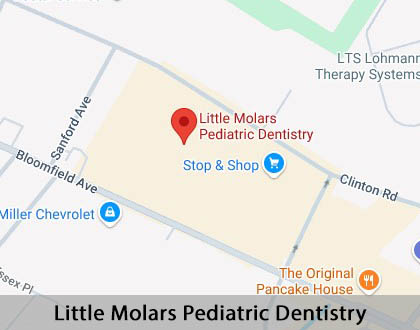

Scan here to view this page, Infant Dental Care, on mobile
Definition of Pediatric Dental Terminology
Start Building Healthy Habits That Last a Lifetime
Your child deserves dental care from a team that understands their unique developmental needs and creates positive experiences from the very first visit. Whether you're preparing for your baby's first appointment or looking for guidance on home care, the team at Little Molars Pediatric Dentistry is here to help. Contact us today to schedule your infant's dental visit and start building healthy habits that last a lifetime.
Helpful Related Links
- American Dental Association (ADA). Baby Teeth Information. 2024
About our business, license, and website security
- Little Molars Pediatric Dentistry was established in 2023.
- We accept the following payment methods: Cash, Discover, MasterCard, and Visa
- We serve patients from the following counties: Essex County
- We serve patients from the following cities: West Caldwell, Caldwell, North Caldwell, Fairfield, East Hanover, Montville, Verona, and Montclaire
- Norton Safe Web. View Details
- Trend Micro Site Safety Center. View Details

Scan here to open directions to Little Molars Pediatric Dentistry on mobile
Back to top of Infant Dental Care
Related Posts

3 Tips For Cleaning Your Child's First Teeth
When your baby's first tooth appears, you may feel excited about this developmental milestone while also wondering how to properly care for these tiny new teeth. Many parents feel uncertain about when to start brushing, how much toothpaste to use, or whether their technique is effective enough to prevent cavities. Early dental care can feel…

When Do Baby Teeth Fall Out? A Parent's Timeline Guide
Every parent knows the milestone moment — a wiggly tooth, a gap-toothed grin, and a very excited child waiting for the tooth fairy. Baby teeth come and go on a schedule that can feel unpredictable, and when your child's smile starts changing earlier or later than their friends', the questions start piling up fast. Understanding…

Signs Your Child May Need An Orthodontic Evaluation
Most parents know to schedule regular dental cleanings and watch for cavities, but there is another milestone many overlook: the orthodontic evaluation. Bite problems, crowding, and jaw misalignment rarely fix themselves, and the window for catching these issues early is shorter than most people realize. Noticing the right signs before problems progress can mean the…
Explore additional topics covered on our website:
Call Us Today

Scan here to call Little Molars Pediatric Dentistry on mobile